Providing Hospital-Grade Medical Consumables & High-Absorbency Surgical Wound Dressings with Certified Global Integrity for Namibia Healthcare Institutions
Explore our premium clinical products designed for heavy exudate management, post-operative support, and trauma intervention across Namibian clinics and emergency services.
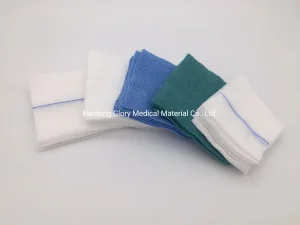
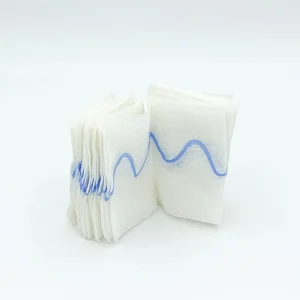
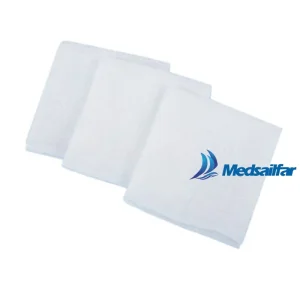
The healthcare infrastructure of Namibia, spanning from advanced urban facilities in Windhoek to remote, community-based clinics in regions such as Kunene and Kavango, demands medical supplies of absolute reliability. With the Namibian Ministry of Health and Social Services (MoHSS) driving stringent requirements for biomedical safety and infection prevention, procurement managers face unique logistics and storage pressures. The arid local climate demands primary dressings with exceptional structural integrity, dust-proof sealing, and long-term shelf-stability.
For Namibia's robust medical networks—including the Windhoek Central Hospital and major private institutions under the Medi-Clinic umbrella—obtaining premium medical gauze pads and rolls requires partnership with compliant global manufacturers. Accessing stable supply lines through direct SADC (Southern African Development Community) shipping channels ensures hospital shelves remain consistently stocked with USP/BP compliant wound care products.

The global production landscape of medical surgical dressings is evolving rapidly with material science and sustainability initiatives taking center stage. Direct healthcare purchasers must balance clinical performance with economic feasibility. Below is the analytical technical breakdown of current materials:
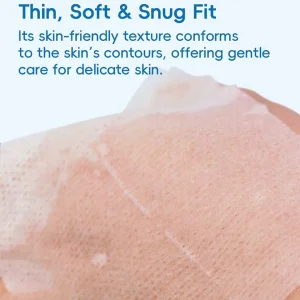
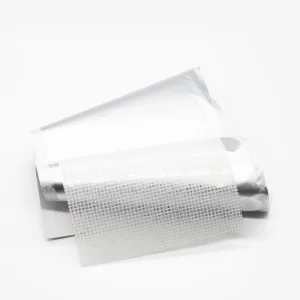
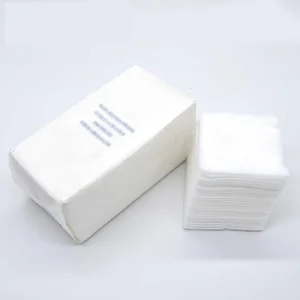
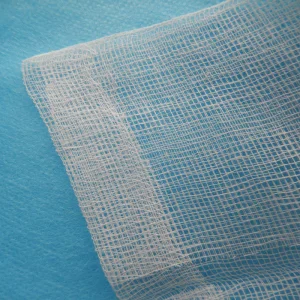
1. Pure Woven Cotton vs. Synthetic Non-Woven Alternatives: Standard medical cotton remains the gold standard for high-exudate absorption and mechanical debridement due to its hydrophilic properties. However, modern spunlace non-woven technology (typically polyester and viscose blends) is gaining traction for outer protective covers, delivering reduced fiber shedding (low linting) and exceptional softness.
2. Sterilization Modalities (EtO vs. Gamma Irradiation): Ethylene Oxide (EtO) remains the primary chemical sterilization protocol for pre-packaged clinical gauze pads, verifying the breakdown of bioburden down to 10-6 sterility assurance levels. Advanced facilities are transitioning to Gamma Irradiation and E-Beam systems to completely eliminate chemical residue risks in critical trauma wound dressings.
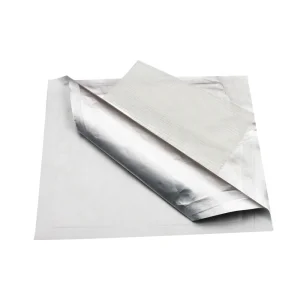
3. SADC Cross-Border Logistics and Tariff Protocols: Supply chains in Southern Africa depend on optimized ocean freight paths via Walvis Bay or overland routes from South Africa. Standardized bulk packing with thick, humidity-sealed plastic liners is vital to shield surgical swabs from transport dust and high-humidity marine conditions.
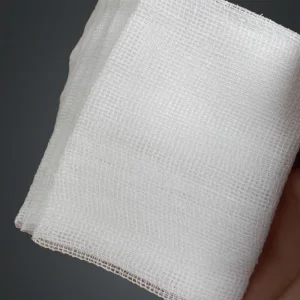
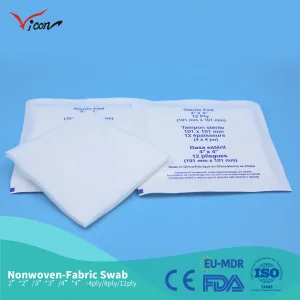
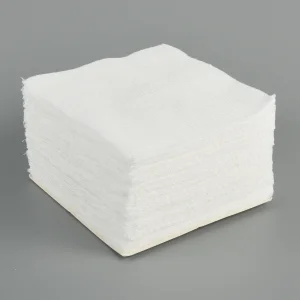
Specially manufactured medical pads for applications ranging from delicate post-surgical recoveries to emergency field interventions.
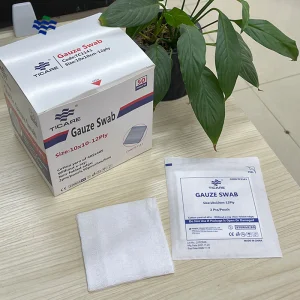
Different commercial and industrial environments demand highly specialized consumables. Here is how our gauze pads and rolls support local operations:
From uranium mining in the Erongo region to deep-sea diamond operations off Oranjemund, heavy operations require immediate access to industrial trauma packs. High-capacity sterile compressed gauze rolls and sterile hemostatic pads are vital first-line components of occupational first-aid stations to manage severe lacerations and control bleeding.
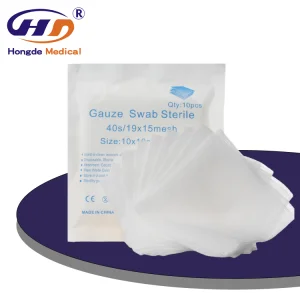
Namibian community clinics face long transportation lead times to centralized warehouses. They benefit from individually wrapped, non-woven sterile swabs that resist microbial ingress even under harsh dust-prone storage settings, helping staff maintain sterile conditions during wound dressings and minor surgical procedures.
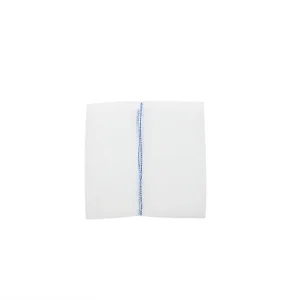
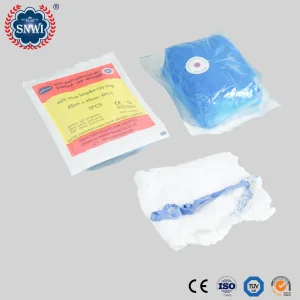
Major medical centers require high-absorbent abdominal lap sponges with radiopaque X-ray detectable threads. Utilizing 17-thread count 100% bleached cotton guarantees compliance with standard surgical theater safety protocols, allowing Windhoek hospitals to operate with optimal patient safety margins.
Every batch of Gauze Pads & Rolls undergoes strict laboratory evaluation. The manufacturing pipeline ensures:
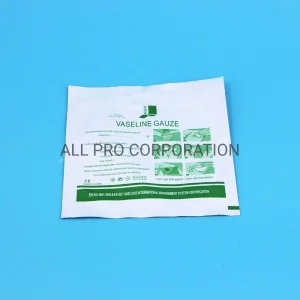
We work closely with logistics partners to ensure all documents match Namibia MoHSS standards. We supply full trace records: certificates of compliance, batch sterility reports, and detailed safety data sheets (SDS) for our paraffined dressings. Every shipping container is packed using advanced thermal-shielded, moisture-barrier boxes to secure the products during long ocean journeys.

Foshan Wigivida Medical Co., Ltd. is a leading China-based manufacturer of high-quality medical consumables and devices, specializing in respiratory products, medical tubes, urology products, hypodermic and surgical consumables. With years of dedicated experience in the healthcare industry, Wigivida has built a reputation for providing reliable, safe, and innovative solutions to hospitals, clinics, and medical distributors worldwide.
The company offers a comprehensive product range, including oxygen masks, ventilator accessories, catheters, Foley catheters, hypodermic needles, syringes, surgical drapes, sterile gloves, sutures, cotton swabs, gauze rolls, IV sets, and disposable medical kits. Each product is manufactured with strict adherence to quality standards, ensuring biocompatibility, durability, and patient safety.
Wigivida Medical emphasizes innovation, research, and precision manufacturing, combining advanced production technology with a rigorous quality management system. The company also provides customized solutions to meet the specific needs of healthcare providers, supporting efficient hospital workflows and minimizing infection risks.
Guided by the principles of "quality first, service first, and customer satisfaction-driven," Foshan Wigivida Medical Co., Ltd. has earned an excellent reputation both domestically and internationally. With a professional R&D team, modern manufacturing facilities, and dedicated after-sales service, the company continues to advance the medical consumables industry, delivering safe, effective, and high-quality healthcare solutions that improve patient outcomes and support global healthcare innovation.
Discover our wholesale sterile wound care items, packed and ready for immediate regional distribution across the SADC block.
Common procurement and compliance questions from clinics, distributors, and logistics partners in Namibia and the broader SADC region.
 Wigivida Medical