Explore our state-of-the-art medical devices manufactured to the highest global standards, ensuring safety, reliability, and clinical efficacy.
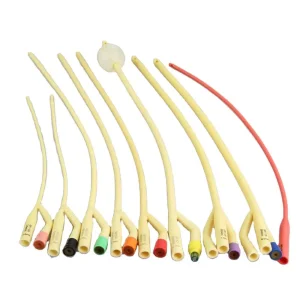
Foley catheters represent one of the most critical segments within urological medical consumables globally. Designed for continuous urinary drainage, these devices require strict engineering precision, exceptional biocompatibility, and consistent manufacturing standards to mitigate the risk of Catheter-Associated Urinary Tract Infections (CAUTIs). For global procurement officers, hospitals, and distributors, finding reliable manufacturers is not just about price competitiveness; it is a complex equation involving raw material purity, strict regulatory clearances (such as FDA 510(k), CE MDR, and ISO 13485), and long-term manufacturing scalability.
In recent years, the market has transitioned from traditional natural rubber latex towards silicone-coated latex and 100% silicone variants. The choice of material impacts patient comfort, duration of catheterization, and mucosal biocompatibility. To assist B2B medical buyers in navigating this competitive environment, we have analyzed the core competencies of the top Foley catheter factories and exporters worldwide, detailing their manufacturing standards, global footprint, and quality validation processes.
"A hospital's safety index is directly correlated with the performance consistency of its basic medical consumables. A minor defect in a Foley catheter's balloon geometry can lead to severe clinical complications, highlighting the critical importance of selecting certified manufacturers."
Foshan Wigivida Medical Co., Ltd. is a leading China-based manufacturer of high-quality medical consumables and devices, specializing in respiratory products, medical tubes, urology products, hypodermic and surgical consumables. With years of dedicated experience in the healthcare industry, Wigivida has built a reputation for providing reliable, safe, and innovative solutions to hospitals, clinics, and medical distributors worldwide.
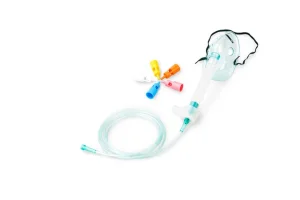
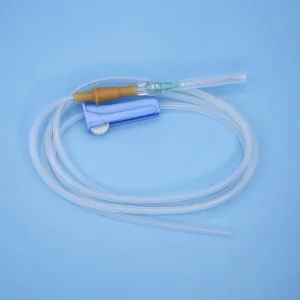
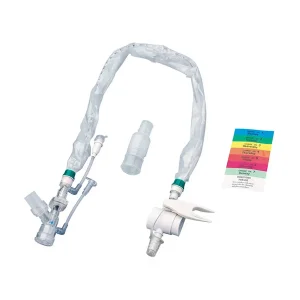
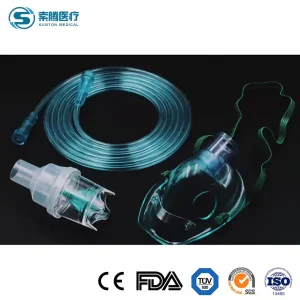
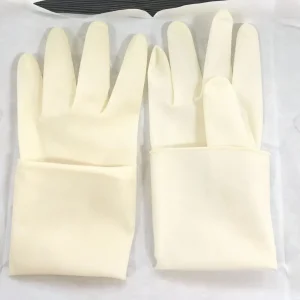
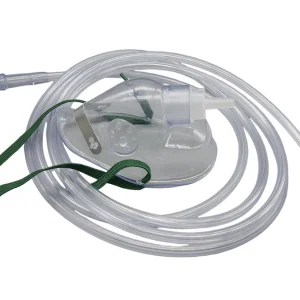
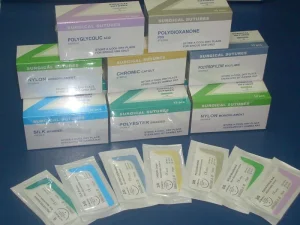
The company offers a comprehensive product range, including oxygen masks, ventilator accessories, catheters, Foley catheters, hypodermic needles, syringes, surgical drapes, sterile gloves, sutures, cotton swabs, gauze rolls, IV sets, and disposable medical kits. Each product is manufactured with strict adherence to quality standards, ensuring biocompatibility, durability, and patient safety.
Wigivida Medical emphasizes innovation, research, and precision manufacturing, combining advanced production technology with a rigorous quality management system. The company also provides customized solutions to meet the specific needs of healthcare providers, supporting efficient hospital workflows and minimizing infection risks.

Guided by the principles of "quality first, service first, and customer satisfaction-driven," Foshan Wigivida Medical Co., Ltd. has earned an excellent reputation both domestically and internationally. With a professional R&D team, modern manufacturing facilities, and dedicated after-sales service, the company continues to advance the medical consumables industry, delivering safe, effective, and high-quality healthcare solutions that improve patient outcomes and support global healthcare innovation.
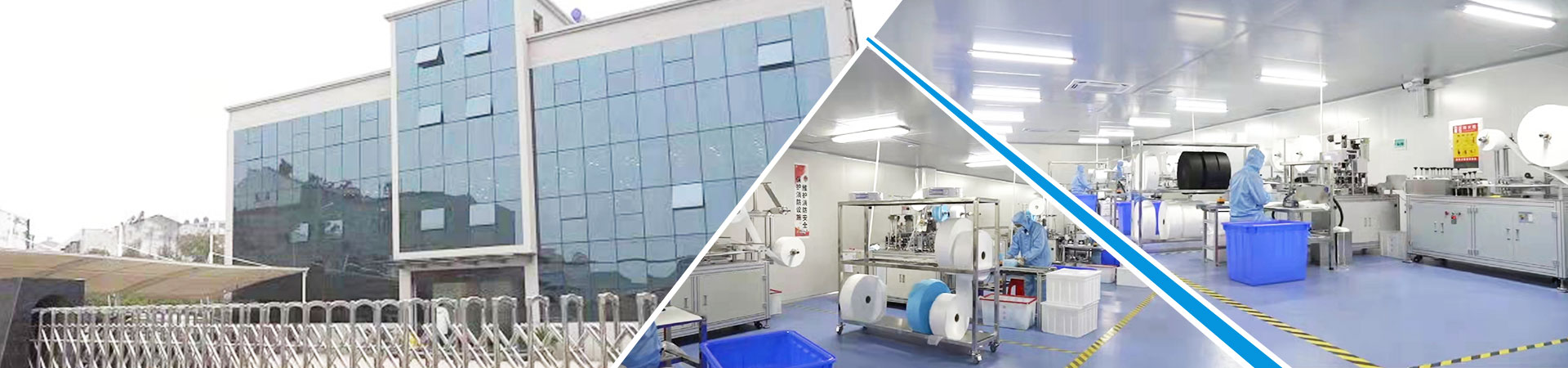
Their state-of-the-art facilities leverage class-100,000 cleanrooms and advanced automation lines, ensuring minimal human touchpoints during extrusion, molding, and packing phases. This degree of automation drastically reduces bioburden rates and guarantees that all catheters exit production with the lowest possible risk of contamination, aligning perfectly with strict clinical requirements.
Medical Grade Materials
Cleanrooms (ISO 8)
Exporting Countries
Critical Defect Rate Goal
China's medical device industry has evolved from low-cost assembly to high-precision engineering. For Foley catheters, the integration of upstream raw material suppliers, downstream packaging facilities, and logistics centers creates a highly efficient manufacturing hub.
Chinese factories utilize high-speed silicone extrusion machinery, ensuring consistent wall thickness and uniform lumen structures to guarantee unhindered drainage and fluid flow.
Each batch undergoes automated balloon expansion tests, water leakage validation, and surface roughness checks using advanced profilometers to ensure clinical safety.
Proximity to major shipping hubs like Shenzhen, Guangzhou, and Shanghai allows for streamlined international transport, reliable supply chains, and reduced port-to-port lead times.
Navigating regional clinical device compliance demands an experienced manufacturer. In the EU, the transition from MDD to MDR has disqualified many lower-tier exporters who fail to maintain extensive technical files or continuous clinical follow-up records. Elite factories address this issue directly by providing regulatory transparency and support services.
Compliance is mandatory. High-end exporters provide detailed documentation, including ISO 13485 audits, biocompatibility test results (ISO 10993), and ETO sterilization verification files.
Packaging must adapt to local regulations, requiring UDI labels, translations, and specific symbols. Leading manufacturers offer comprehensive OEM/ODM packaging services to comply with local directives.
We bridge linguistic and temporal gaps with dedicated technical support teams capable of addressing clinical, mechanical, and logistical questions in real time.
When drafting request-for-quotes (RFQs) for Foley catheters, procurement professionals must specify dimensions, material characteristics, and visual attributes to secure appropriate clinical outcomes. Consider the following key metrics:
The clinical environment dictates the physical requirements of a Foley catheter. A standard ward catheter has different performance parameters than one used in an intensive care setting or surgical suite.
ICU patients require high-integrity materials for long-term catheterization. Temperature-sensing Foley catheters, which feature built-in thermistors, allow for real-time core temperature monitoring alongside drainage.
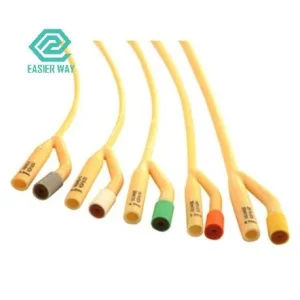
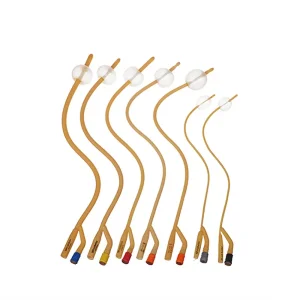
Hematuria or post-op debris risks blocking the drainage lumen. Here, 3-way silicone Foley catheters are essential, allowing continuous irrigation of the bladder to clear blood clots.
Long-term catheter care demands 100% silicone catheters, which can remain inserted for up to 12 weeks. Their biocompatibility reduces tissue irritation and encrustation buildup over time.
Innovations in Foley catheter technology aim to improve patient comfort, reduce healthcare-associated infections (HAIs), and simplify clinical procedures.
Technical and regulatory guidance for international buyers, quality engineers, and clinical coordinators.
100% silicone catheters are inert, mercury-free, and ideal for patients with latex allergies. They have a wider inner lumen for more efficient drainage and are suitable for long-term use (up to 12 weeks). Silicone-coated latex catheters are more flexible and cost-effective, but are generally limited to short-term use (up to 4 weeks) due to the risk of latex hypersensitivity and encrustation.
Sterility is achieved using automated Ethylene Oxide (ETO) chambers. Every batch undergoes a validation protocol based on ISO 11135, monitoring temperature, humidity, gas concentration, and exposure time. Biological indicators are used to verify that the batch meets a Sterility Assurance Level (SAL) of 10^-6 before release.
Importers must verify that the manufacturer holds a valid CE certificate under the Medical Device Regulation (EU 2017/745). Essential documentation includes an ISO 13485 certified quality management system, a comprehensive clinical evaluation report (CER), registration in the EUDAMED database, and clear UDI (Unique Device Identification) coding on all packaging.
For custom packaging and OEM designs, the typical initial cycle is 35 to 50 days. This includes template approval, print plate production, sterilization validation of the packaging material, and final production. Repeat orders usually have shorter lead times of 25 to 30 days.
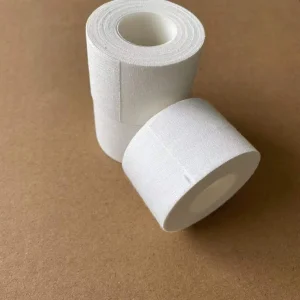
Precision-designed clinical tubes, premium surgical tapes, and respiratory therapy solutions for modern healthcare institutions.
 Wigivida Medical