Engineered for absolute biocompatibility, patient safety, and optimal workflow integration in critical care settings.
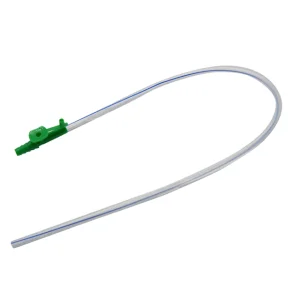
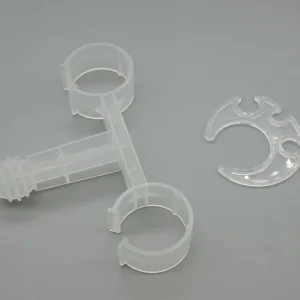
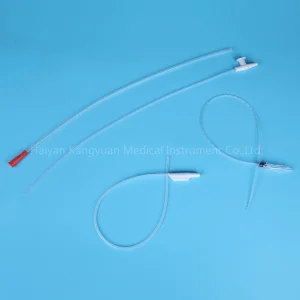
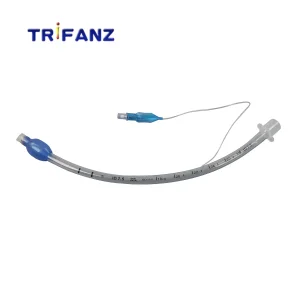
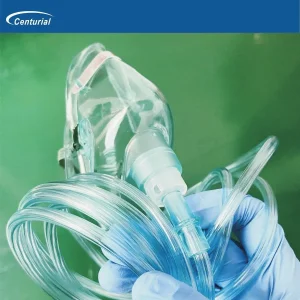
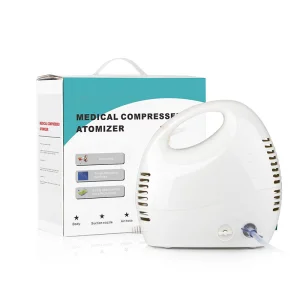
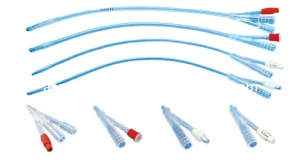
Closed Suctioning Systems (CSS) represent a critical milestone in intensive care medicine. Unlike conventional Open Suction Systems (OSS), which disrupt mechanical ventilation and expose both patient and clinician to microbiological risks, CSS maintains a closed, pressure-regulated breathing loop. This clinical paper details the biomechanical parameters, procurement metrics, and customization avenues crucial for global B2B procurement officers.
In modern intensive care units (ICUs), mechanical ventilation is a life-saving intervention but carries the inherent risk of Ventilator-Associated Pneumonia (VAP) and other nosocomial infections. The implementation of a closed suction system acts as a protective barrier. By allowing clinicians to clear pulmonary secretions without disconnecting the patient from the ventilator circuit, a CSS preserves Positive End-Expiratory Pressure (PEEP).
Preserving PEEP is mathematically and physiologically vital. Every time an open suction method is used, the system pressure drops to atmospheric levels. This results in alveolar recruitment loss, temporary hypoxia, and lung shear stress (atelectastrauma). Additionally, the closed configuration mitigates the risk of aerosolized biological hazards. During suction procedures, pathogens can be projected into the immediate ICU environment. Closed systems encapsulate these aerosols within a medical-grade polyurethane protective sleeve, drastically reducing cross-contamination vectors for healthcare personnel.
Prevents alveolar collapse and desaturation during critical suction phases, maintaining continuous positive pressure ventilation loops.
Sealed polyurethane sleeves lock in high-risk aerosolized pathogens, shielding ICU frontline workers from nosocomial exposure.
Designed to withstand repetitive cleaning cycles and continuous positioning changes without integrity loss over multi-day spans.
For large-scale medical distributors, GPOs (Group Purchasing Organizations), and healthcare ministries, purchasing airway devices involves analyzing cost, compliance, and clinical efficacy. Sourcing departments must evaluate mechanical dimensions, material formulations, and connection options. Catheter lengths usually range from 54 cm to 60 cm to accommodate different endotracheal and tracheostomy tube alignments, with catheter sizes structured from 6 French (Fr) up to 16 Fr.
A key procurement choice is the distinction between 24-hour and 72-hour usage systems. While 24-hour systems offer lower initial costs, 72-hour variants are manufactured with superior material durability, such as hydrophobic polyurethane sleeves and self-cleaning mechanism ports. Over a standard ICU stay, 72-hour systems reduce overall consumable waste and nurse labor hours, delivering a better return on investment despite the higher upfront price per unit.
| Procurement Metric | 24-Hour Closed Suction System | 72-Hour Closed Suction System | Clinical Sourcing Significance |
|---|---|---|---|
| Sleeve Material | Standard Medical PVC / PU Blend | High-elasticity Medical Polyurethane (PU) | PU prevents sleeve tearing under frequent suction cycles. |
| Cleaning Port Mechanism | Standard Luer lock valve | One-way isolation valve with turbulent rinsing | Ensures catheter tip is completely clean, preventing biofilm. |
| Average Unit Cost | Lower direct acquisition cost | Moderate premium pricing | 72h system reduces nursing overhead and ICU clinical waste. |
| Reimbursement & MDR Code | Class IIa Medical Device | Class IIa / IIb depending on regional MDR | Crucial for national healthcare bidding registers. |
Integrating respiratory devices into standard ICU setups requires a thorough understanding of breathing circuit architectures. A CSS does not operate in isolation; it functions alongside endotracheal tubes, ventilator breathing circuits, heat and moisture exchangers (HMEs), and active humidifiers. Ensuring compatibility between these elements prevents air leaks and maintains precise tidal volume delivery.
Advanced closed suction configurations feature a double-swivel elbow connector. This design permits 360-degree rotation, reducing mechanical traction on the patient’s trachea during repositioning or transfer. This minimizes the risk of accidental extubation—a critical clinical event linked to severe hypoxia and prolonged ICU stays. Modern closed suction systems also feature secondary ports for saline instillation, enabling direct secretion thinning prior to suction activation.
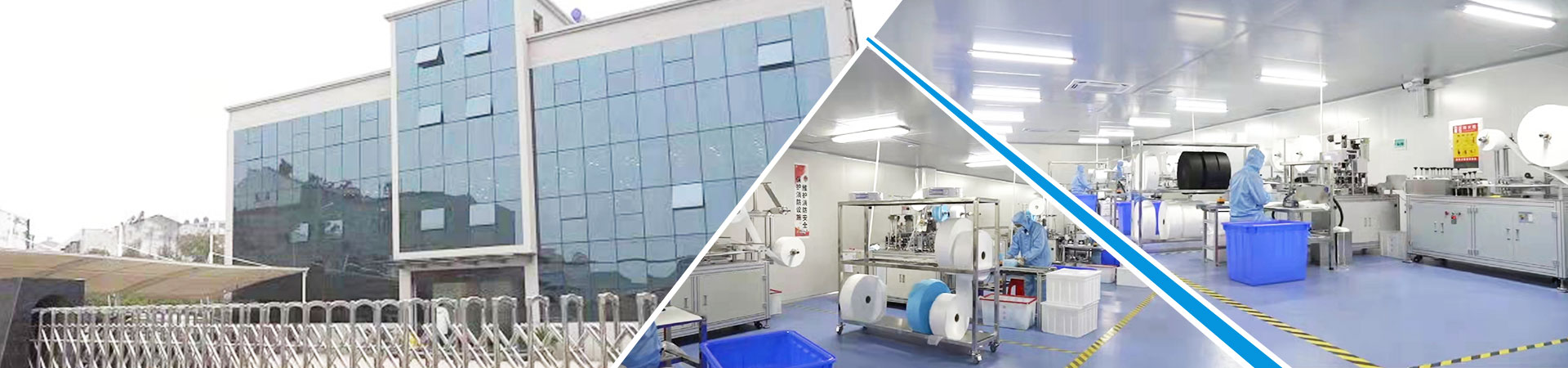
Our engineering facility combines cleanroom technology with strict quality management systems.
The core of an effective closed suction system lies in its material composition and manufacturing precision. The catheter tube must exhibit a specific Shore A hardness: rigid enough to resist collapse under high negative pressures, yet flexible enough to navigate the bronchial tree without causing mucosal trauma. To achieve this balance, medical manufacturers utilize medical-grade, DEHP-free PVC or polyurethane materials.
A key engineering highlight of the CSS catheter tip is the addition of smooth, laser-polished side eyes (often called Murphy eyes). These side ports provide alternate channels for airflow, distributing negative suction pressure to prevent the catheter tip from adhering to the delicate tracheal mucosa. The protective sleeve is made of thin, high-tensile-strength polyurethane film, designed to compress and expand easily during insertion and retraction without catching on the internal catheter.
Our R&D roadmap focuses on two key updates for next-generation closed suction systems:
The global market for respiratory consumables is seeing steady growth, driven by an aging population, rising rates of chronic obstructive pulmonary disease (COPD), and structural investments in ICU infrastructure. Post-pandemic healthcare frameworks emphasize preparedness and healthcare worker safety, positioning closed suction systems as a standard clinical requirement rather than an optional upgrade.
Geographically, demand remains strong in North America and Western Europe due to strict occupational safety laws. Meanwhile, emerging markets in Latin America, Southeast Asia, and the Middle East are modernizing their ICU facilities and adopting closed suction systems to lower VAP rates and reduce overall hospital costs.
Exporters in the medical device sector must ensure compliance with international regulations. A reliable OEM/ODM partner must maintain certificates for ISO 13485:2016 (Medical Devices Quality Management Systems), CE Mark under the European MDR (Regulation EU 2017/745), and US FDA registrations.
Quality testing covers several key areas: physical leak checks on all connections, vacuum pressure resistance tests, catheter tip flexibility checks, and bioburden monitoring before final sterilization. Sterilization is completed using validated Ethylene Oxide (EO) cycles, with residual gas levels monitored to meet strict safety limits.
China-Based Global Manufacturer & Exporter of Advanced Medical Devices
Foshan Wigivida Medical Co., Ltd. is a leading China-based manufacturer of high-quality medical consumables and devices, specializing in respiratory products, medical tubes, urology products, hypodermic and surgical consumables. With years of dedicated experience in the healthcare industry, Wigivida has built a reputation for providing reliable, safe, and innovative solutions to hospitals, clinics, and medical distributors worldwide.
The company offers a comprehensive product range, including oxygen masks, ventilator accessories, catheters, Foley catheters, hypodermic needles, syringes, surgical drapes, sterile gloves, sutures, cotton swabs, gauze rolls, IV sets, and disposable medical kits. Each product is manufactured with strict adherence to quality standards, ensuring biocompatibility, durability, and patient safety.

Wigivida Medical emphasizes innovation, research, and precision manufacturing, combining advanced production technology with a rigorous quality management system. The company also provides customized solutions to meet the specific needs of healthcare providers, supporting efficient hospital workflows and minimizing infection risks.
Guided by the principles of "quality first, service first, and customer satisfaction-driven," Foshan Wigivida Medical Co., Ltd. has earned an excellent reputation both domestically and internationally. With a professional R&D team, modern manufacturing facilities, and dedicated after-sales service, the company continues to advance the medical consumables industry, delivering safe, effective, and high-quality healthcare solutions that improve patient outcomes and support global healthcare innovation.
Technical, clinical, and commercial insights for sourcing professionals.
Explore our broader selection of medical consumables, including surgical needles, anesthesia accessories, and custom components.
 Wigivida Medical