Choosing the right surgical drapes is crucial for maintaining a sterile environment during procedures. High-quality drapes help prevent infection and enhance patient safety. This article explores "How to choose surgical drapes for sterile procedures" by providing ten essential tips.
One key consideration is the drape material. It should be fluid-resistant yet breathable. Look for drapes with antimicrobial properties. These can significantly reduce the risk of contamination. Another important aspect is the size and coverage. Ensure the drapes can adequately cover the surgical area. This prevents exposure during the procedure.
Sustainability is also essential. Environmentally friendly options are increasingly available. Assess pricing as well, but never compromise on quality. It’s important to reflect on the specific needs of each surgical procedure. Each operating room has distinct requirements. When it comes to sterilization, reliability is non-negotiable. Hence, reviewing supplier credentials is essential for confidence in your choices.
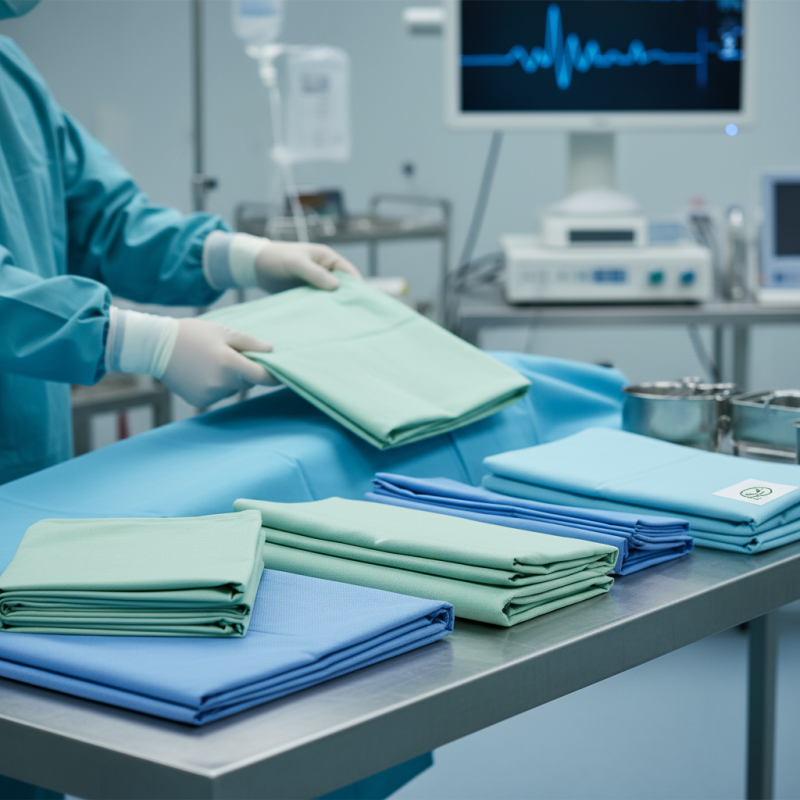
Selecting the right surgical drapes is crucial for maintaining a sterile environment during procedures. The Centers for Disease Control and Prevention (CDC) estimates that surgical site infections (SSIs) can occur in 2-5% of operations. This highlights the importance of proper draping to minimize these risks. When choosing surgical drapes, practitioners should consider factors such as material, fluid resistance, and breathability.
Material plays a significant role in drape effectiveness. Non-woven materials are often preferred due to their high barrier properties. A study published in the Journal of Hospital Infection found that these materials can reduce contamination rates by up to 30%. Furthermore, fluid resistance is essential. The ASTM F1671 standard measures the ability of materials to withstand viral penetration. Drapes that meet or exceed this standard help protect both patients and medical staff.
Breathability is another essential factor. Surgical drapes must allow for air circulation while still providing a barrier to pathogens. A balance is necessary to avoid overheating during lengthy procedures. Additionally, ease of use should not be overlooked. Drapes that are difficult to handle may lead to increased contamination risks. It's worth noting that the choice of drapes often reflects a hospital's protocol. The literature suggests that consistent training and reassessment of draping techniques can further enhance sterile practices in operating rooms.
Surgical drapes are vital in maintaining a sterile field during medical procedures. Various types cater to specific needs. Understanding their functions can enhance safety and effectiveness in the operating room.
Two common types are adhesive drapes and sterile surgical sheets. Adhesive drapes create a secure barrier, preventing microbial transfer. They adhere directly to the patient’s skin, which helps in minimizing contamination. Surgical sheets, however, are versatile. They cover larger areas and can drape over instruments, tables, or even the surgical team.
There are also specialty drapes, such as extremity drapes, which focus on limbs. These drapes often have a fenestration that aligns with surgical sites. This design enables targeted exposure while maintaining sterile conditions. Reflecting on drape selection is crucial. Inadequate draping can lead to increased surgical site infections, highlighting the need for careful evaluation of each type's suitability for specific procedures.
| Tip No. | Tip | Type of Drape | Specific Use |
|---|---|---|---|
| 1 | Choose Appropriate Material | Reusable Non-Woven | General surgical procedures |
| 2 | Consider Size and Coverage | Standard Drapes | Covers the entire surgical field |
| 3 | Assess Fluid Resistance | Fluid-Resistant Drapes | Used in procedures with high fluid output |
| 4 | Check for Sterility | Sterile Drapes | Minimizes infection risk |
| 5 | Evaluate Breathability | Breathable Drapes | Reduces heat and moisture buildup |
| 6 | Look for Anti-Static Features | Anti-Static Drapes | Prevents dust and particle attraction |
| 7 | Check for Ease of Use | User-Friendly Drapes | Simple to apply and remove |
| 8 | Consider Environmental Impact | Eco-Friendly Drapes | Minimizes waste and pollution |
| 9 | Verify Compatibility with Other Equipment | Compatible Drapes | Ensures proper functionality with instruments |
| 10 | Consult Recommendations and Reviews | Recommended Drapes | Based on feedback from surgical teams |
When selecting surgical drapes for sterile procedures, understanding material properties is essential. These drapes must maintain a sterile barrier, preventing contamination during surgeries. Common materials include non-woven fabrics and polyethylene, each with distinct characteristics. Non-woven fabrics are breathable and comfortable, while polyethylene layers offer excellent fluid resistance.
The choice of thickness is also crucial. Thicker drapes provide better protection but may restrict airflow, leading to moisture build-up. On the other hand, thinner drapes may not provide adequate coverage. This trade-off can affect both sterility and patient comfort. Additionally, the drape's texture can impact its usability. A smoother surface may slide off easily, whereas a more textured surface might cling better.
Another point to consider is the drape's packaging. Sterile packaging should remain intact until the time of use. Inspecting the integrity of the packaging ensures that the drape remains sterile. In some cases, it can be tempting to reuse drapes. However, reusability can compromise sterility and safety. Always evaluate the specific needs of each surgical procedure to make an informed choice on material and design.
Choosing the right surgical drapes is critical for maintaining sterility in medical procedures. Assessing drape sizes and fit is essential for various operations. According to a report by the Association for the Advancement of Medical Instrumentation (AAMI), improper drape size can increase infection rates by approximately 30%. This data highlights the importance of having drapes that adequately cover the surgical area while allowing for proper maneuverability.
Different surgical procedures require specific drape dimensions. For instance, larger drapes are often needed for abdominal surgeries, while smaller drapes might suffice for minor procedures. Inaccurate size selection can compromise the sterile field. Additionally, reports indicate that nearly 25% of surgical teams experience difficulties due to poorly fitting drapes, which can distract from the procedure and negatively impact outcomes.
It's paramount to consider the fit of surgical drapes based on the complexity of the operation. In some cases, the drapes may not adhere properly to the patient's anatomy, leading to potential exposure. Reflecting on feedback from surgical teams can provide insights into preferred drape designs and their effectiveness in real-world applications. Adjustments based on practical experiences can improve future choices. This reflective practice can enhance safety and efficiency during sterile procedures.
Choosing surgical drapes requires careful consideration of both cost-effectiveness and quality. In sterile procedures, the primary goal is to prevent infection and ensure patient safety. Selecting drapes that offer reliable barrier protection is paramount. Inexpensive options might seem appealing, but they often lack the quality needed for optimal sterility. Sometimes, cheaper materials compromise safety, leading to potentially higher costs later due to complications.
When evaluating drapes, assess the materials used. Non-woven fabrics typically provide better fluid resistance compared to woven ones. Additionally, consider the drape's durability. A high-quality drape should withstand the rigors of surgery without tearing. Cost-effectiveness doesn’t always equate to lower prices; it also means finding a balance between affordability and reliability.
Reflecting on past choices can be enlightening. Many facilities have learned the hard way that investing in quality pays off over time. In some cases, teams have faced negative outcomes from budget-driven decisions. Understanding these lessons helps in making informed choices that prioritize both patient health and budget constraints. Prioritize long-term benefits when choosing surgical drapes.
: Surgical drapes are essential for maintaining a sterile field during medical procedures.
Common types include adhesive drapes and sterile surgical sheets for various needs.
Adhesive drapes create a secure barrier and prevent microbial transfer by adhering to the patient's skin.
Surgical sheets cover larger areas and can drape over instruments or the surgical team.
Specialty drapes, like extremity drapes, focus on specific limbs and maintain sterile conditions.
Material properties help maintain a sterile barrier and prevent contamination during surgical procedures.
Common materials include non-woven fabrics for breathability and polyethylene for fluid resistance.
Thicker drapes offer better protection but may restrict airflow, while thinner ones might lack coverage.
Inspect the packaging integrity to ensure the drape remains sterile until use.
Reusing drapes can compromise sterility and safety, so it’s generally not recommended.
When considering how to choose surgical drapes for sterile procedures, several key factors must be evaluated to ensure optimal performance and safety. First, understanding the various types of surgical drapes and their specific uses is essential; this allows healthcare professionals to select the appropriate option for different procedures. Additionally, the material properties of the drapes significantly influence their sterility, breathability, and fluid resistance, impacting the surgical environment.
Another critical aspect is assessing the drape sizes and their fit for various procedures, as improper sizing can compromise sterility and comfort. Finally, balancing cost-effectiveness with quality is vital in the decision-making process. By considering these factors, medical professionals can ensure they select the best surgical drapes to maintain sterility and enhance patient safety during procedures.

Wigivida Medical