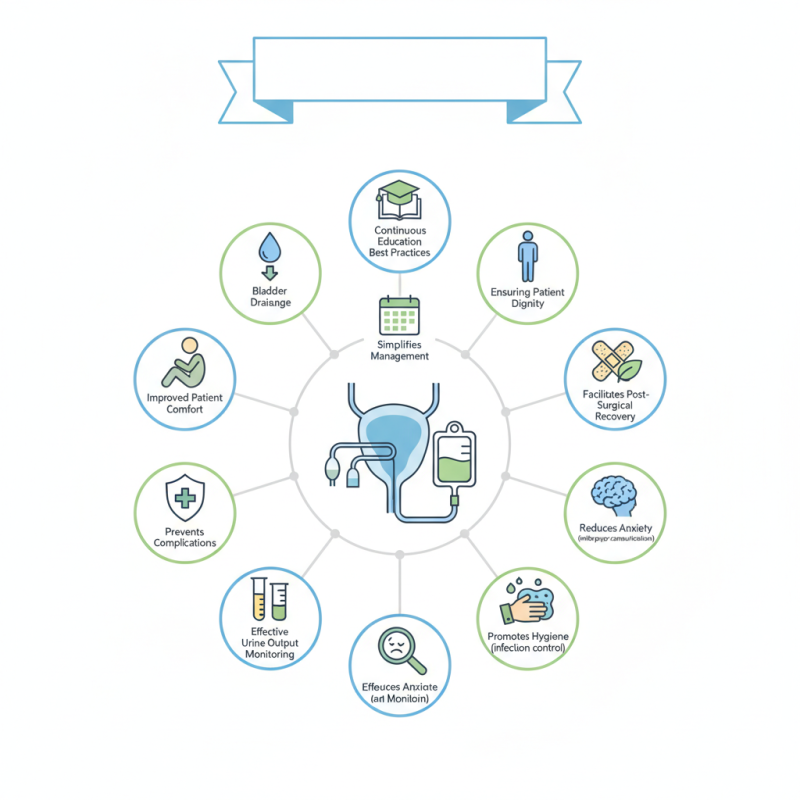
Foley catheters play a crucial role in modern patient care. They assist with bladder drainage and improve overall patient comfort. According to a report by the Centers for Disease Control and Prevention (CDC), up to 25% of hospitalized patients may require urinary catheters at some point. This statistic highlights the importance of understanding how Foley catheters help in patient care.
Dr. Emily Thompson, a leading urologist, emphasizes their significance: "Foley catheters simplify management for a range of conditions while ensuring patient dignity." When used correctly, these catheters prevent complications, such as urinary retention, and enable effective monitoring of urine output. They also facilitate post-surgical recovery, allowing patients to focus on healing rather than discomfort.
However, challenges remain in catheter use. Infection rates can rise if hygiene practices are not followed. The balance between effective care and risk management is essential. Patients may experience anxiety or discomfort associated with catheters, underlining the need for clear communication from healthcare providers. Continuous education and attention to best practices are vital for harnessing the full benefits of Foley catheters.
Foley catheters play a crucial role in managing urinary retention, a condition that can lead to serious complications. When patients cannot void naturally, Foley catheters provide immediate relief. These devices allow for continuous urine drainage, reducing the risk of bladder distension and infection. Without timely intervention, urinary retention can lead to significant discomfort and increased hospital stays.
In many cases, utilizing a Foley catheter streamlines patient care. Medical professionals can monitor urine output closely, which helps in evaluating kidney function. This information assists in making informed treatment decisions. However, the insertion process requires skill and care. Improper placement can lead to complications such as urinary tract infections or urethral injuries.
Patient comfort is another vital consideration. Many report experiencing anxiety about catheterization. Open communication and education can ease these concerns. It’s essential for healthcare providers to discuss the procedure openly. This approach builds trust and ensures patients feel supported in their care journey. Regular assessments of catheter necessity are necessary, as prolonged use can pose risks.
Foley catheters play a significant role in enhancing patient comfort. Many patients face urinary retention or incontinence issues. A well-placed Foley catheter can relieve distress and promote a sense of normalcy. When patients are comfortable, they are more likely to comply with treatment plans. This will lead to better overall outcomes.
Using Foley catheters reduces the need for frequent bathroom trips. This is especially beneficial for those with limited mobility. Patients can focus on their healing rather than worrying about their restroom needs. However, it is essential to consider the potential for discomfort during insertion. Some patients may experience anxiety about the procedure. Clear communication can help ease these concerns.
Proper maintenance of Foley catheters is crucial for comfort. Nurses and caregivers must practice excellent hygiene. They should regularly check for signs of infection. Instances of bladder irritation can still occur, leading to patient discomfort. Education on catheter care empowers patients and families, ensuring they feel involved in the care process. Overall, improving comfort with Foley catheters is an ongoing journey that requires teamwork and understanding.
| Benefit | Description |
|---|---|
| Improved Patient Comfort | Foley catheters minimize discomfort associated with urination for patients who are bedridden or recovering from surgery. |
| Increased Compliance | Patients are more likely to comply with treatment regimens that involve Foley catheters due to their convenience. |
| Reduced Risk of Infection | When used properly, Foley catheters can lower the risk of urinary tract infections compared to other methods. |
| Ease of Monitoring | Healthcare providers can easily monitor urinary output, which is crucial for assessing patient health. |
| Hydration Management | Ensures proper hydration levels are maintained by accurately measuring fluid intake and output. |
| Facilitates Surgery | Foley catheters are often used during surgeries to keep the bladder empty and reduce pressure. |
| Long-term Use | Designed for extended periods, Foley catheters can comfortably serve patients requiring long-term catheterization. |
| Versatile Applications | Used in various medical settings for multiple patient needs, including critical care and rehabilitation. |
| Patient Independence | Allows patients to have more independence as they do not need to frequently use the bathroom, especially beneficial for older adults. |
| Enhanced Quality of Life | By reducing the daily burden of urinary management, Foley catheters can significantly enhance patients' overall quality of life. |
Foley catheters play a pivotal role in modern patient care, particularly in reducing hospital-acquired urinary tract infections (HA-UTIs). These infections pose a significant risk, leading to extended hospital stays and increased healthcare costs. By utilizing Foley catheters, healthcare providers can effectively manage urinary drainage, minimizing the potential for bacteria to accumulate in the bladder.
Studies show that proper insertion techniques and maintenance can drastically cut HA-UTI rates. Regularly changing catheters and ensuring sterile conditions during use are crucial steps. Despite advancements, many facilities struggle with compliance to these protocols. Understanding the importance of wellness in catheter use can lead to less frequent infections and better patient outcomes.
However, it's essential to acknowledge the challenges. Not all patients tolerate catheters well. Some may experience discomfort or complications. In such cases, healthcare teams must weigh the benefits against potential risks. Continuous education for staff on best practices is vital. Improving catheter care not only helps ensure patient safety but also fosters a culture of excellence in healthcare settings.
Foley catheters are essential tools in patient care, especially when considering their cost-effectiveness in healthcare. Their primary benefit is efficient urine drainage, which reduces the need for frequent manual checking. This can save valuable nursing time and lower labor costs. By allowing for continuous monitoring, these catheters can help prevent complications associated with urinary retention.
In a busy healthcare setting, the quick and correct use of Foley catheters can result in a more streamlined patient care process. Though they have many advantages, there are still challenges. Complications, like urinary tract infections, can add to overall healthcare costs. Regular training on proper catheter care is crucial to minimize risks.
While Foley catheters are cost-effective, healthcare providers must reflect on their use. Balancing the benefits with potential risks is essential. Even minor mistakes in placement or care can lead to significant patient discomfort and added expenses. Finding that balance requires ongoing education and evaluation of practices.
Foley catheters play a vital role in enhancing patient monitoring and data collection in healthcare settings. These devices provide real-time data on urine output, which is crucial for assessing kidney function and fluid status. By continuously measuring urine volume, healthcare professionals can make informed decisions about patient care. This immediate access to data allows for timely interventions, ultimately improving patient outcomes.
When using Foley catheters, it's essential to maintain strict hygiene protocols. Always wash your hands before and after handling the catheter. This simple practice minimizes the risk of infections. Regularly monitoring the catheter's condition also helps prevent complications. If you notice any unusual changes, consult with a healthcare professional promptly.
Collaboration among healthcare team members is key. Ensure that everyone involved in patient care is aware of the monitoring process. This teamwork can enhance the accuracy of data collection and intervention strategies. While Foley catheters are reliable, they can sometimes lead to inconsistent data, such as inaccurate output measurements. Regularly calibrating equipment and double-checking readings can help address these issues. Remember, continuous improvement in catheter use contributes significantly to effective patient monitoring.
: Foley catheters help relieve urinary retention and incontinence, promoting a sense of normalcy and comfort.
They reduce the need for frequent bathroom trips, allowing patients with limited mobility to focus on healing.
Some patients may feel anxious about the procedure. Clear communication can help ease these feelings.
Proper maintenance ensures comfort and hygiene, preventing infections and minimizing discomfort for patients.
Effective catheter insertion, regular changes, and maintaining sterile conditions are essential for reducing infections.
Some may experience discomfort or complications, making it crucial to weigh benefits against risks.
It provides real-time urine output data, helping in the assessment of kidney function and fluid status.
Always wash hands before and after handling the catheter to minimize infection risk.
Collaboration among healthcare team members improves monitoring accuracy and enhances patient care strategies.
Inconsistent data, like inaccurate output measurements, can occur. Regular calibration helps address these inconsistencies.
Foley catheters play a vital role in patient care, particularly in managing urinary retention. These flexible tubes not only offer improved comfort and compliance for patients but also significantly reduce the risk of hospital-acquired urinary tract infections (HA-UTIs). By providing a reliable means of urine drainage, Foley catheters enhance patient monitoring and facilitate accurate data collection, which is essential for effective treatment planning.
Moreover, the cost-effectiveness of Foley catheter utilization in healthcare settings cannot be overlooked. By decreasing complications and improving patient outcomes, Foley catheters ultimately contribute to more efficient healthcare delivery. In summary, understanding how Foley catheters help in patient care underscores their importance in enhancing overall healthcare quality and patient satisfaction.

Wigivida Medical