Selecting the right surgical sutures is crucial in medical operations. A recent report from the Journal of Surgical Research indicates that using appropriate sutures can reduce post-operative complications by up to 30%. Surgical sutures are varied, with options tailored for different operations. Understanding how to select surgical sutures for different operations is essential for patient outcomes.
Dr. Emily Chen, a leading expert in surgical techniques, emphasizes, "The choice of sutures informs the healing process and overall surgical success." Surgeons must consider material types, absorbable versus non-absorbable options, and tension management. Each factor can significantly impact the recovery trajectory.
Despite advancements, many surgeons still grapple with suture selection. A lack of comprehensive training is evident. Many surgeons report confusion over product specifications. The decision ultimately hinges on balancing clinical needs with material properties. It is crucial to reevaluate current practices and remain updated on innovative suture technologies.
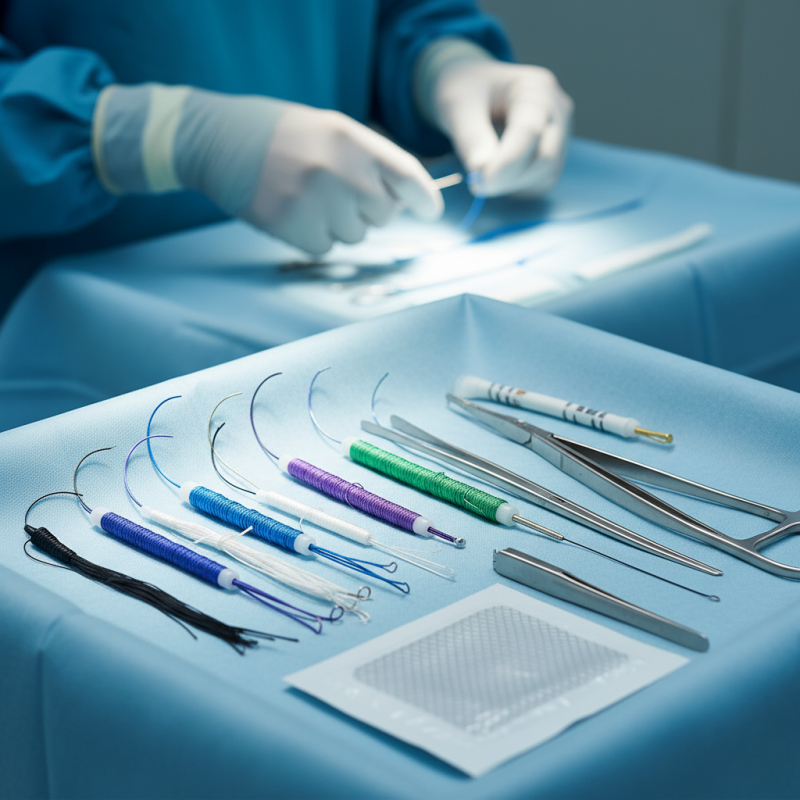
Selecting the right surgical sutures is crucial for successful operations. Several factors influence this decision. Surgeons must consider the type of tissue, healing time, and the patient’s overall health. For example, delicate tissues like skin may require finer sutures, while strong tissues might need thicker options.
Material composition plays a significant role too. Absorbable sutures dissolve over time, suitable for internal suturing. Non-absorbable sutures are often used for long-term support in external wounds. This choice depends on how long the stitches should remain in place.
When considering specific tips for suture selection: Evaluate the wound tension. Higher tension may require stronger suture materials. Again, consider the suture shape and needle type for specific procedures. Less experienced surgeons might overlook these details, leading to complications. Practice and knowledge of these principles can greatly improve outcomes in surgical settings. Explore options thoroughly to mitigate risks associated with suture selection.
Surgical sutures come in various types, each suited for specific applications. Understanding these differences is crucial for optimal surgical outcomes. Common types include absorbable and non-absorbable sutures. Absorbable sutures dissolve over time, making them ideal for internal stitching where removal isn’t possible. Non-absorbable sutures, however, stay intact and are used in tissues that require long-term support.
Material choice also varies. Natural sutures, such as silk, are often used for delicate tissues but may provoke allergic reactions. Synthetic sutures, like nylon or polyester, offer greater strength and reduced tissue irritation. Some surgeons prefer colored sutures for better visibility. This can enhance precision during complicated procedures.
Choosing the right suture also involves considering the wound's location and tension. Some surgeons may find certain sutures tricky to work with. It’s essential to assess these challenges before the operation. Personal experiences and trials with different sutures can guide better future choices. This reflection on past cases can lead to improved practices and patient safety in surgery.
| Suture Type | Material | Absorbability | Common Uses |
|---|---|---|---|
| Silk | Natural | Non-absorbable | Skin closure, gastrointestinal tract |
| Vicryl | Synthetic | Absorbable | Soft tissue approximation |
| Prolene | Synthetic | Non-absorbable | Vascular surgery, closure of skin |
| Catgut | Natural | Absorbable | Gastrointestinal surgeries |
| Nylon | Synthetic | Non-absorbable | Plastic surgery, skin closure |
| Monocryl | Synthetic | Absorbable | Soft tissue, cosmetic surgery |
| Steel | Metal | Non-absorbable | Orthopedic surgery |
| PDS (Polydioxanone) | Synthetic | Absorbable | General soft tissue approximation |
| GORE-TEX | Synthetic | Non-absorbable | Tendon and ligament repair |
| Braided Nylon | Synthetic | Non-absorbable | Tissue repair, suturing skin |
Choosing the right suture material is crucial for successful surgical outcomes. Surgeons often face the decision between absorbable and non-absorbable sutures. Absorbable sutures break down in the body over time. They are ideal for internal tissues where follow-up procedures are unlikely. These sutures eliminate the need for removal, reducing patient discomfort. However, their absorption rate can vary. Surgeons must consider the healing rate of the tissue when selecting these sutures.
On the other hand, non-absorbable sutures remain in the body indefinitely, providing lasting support. They are commonly used for external skin closure. Non-absorbables are often preferred for high-tension areas. However, they require careful monitoring for infection and potential rejection. Choosing between these materials depends not only on the specific case but also on personal experience and patient factors. Reflection is essential, as even experienced surgeons may occasionally select the less appropriate option. Each surgical case offers a learning opportunity that can improve future decisions.
When selecting surgical sutures, size and strength are critical factors that influence outcomes. Assessing these attributes ensures that the chosen sutures adhere to the specific needs of the surgery. Suture size is labeled by a numerical system, with smaller numbers indicating thicker sutures. For delicate tissues, a finer suture might be preferable to minimize trauma. However, thicker sutures provide lasting support for heavier tissues, such as muscle or fascia. This balance is vital in achieving optimal healing.
Strength is another essential consideration. Sutures must withstand the tension experienced during tissue closure. Different surgical scenarios require varying tensile strengths. For instance, orthopedic surgeries often demand higher strength due to the load-bearing nature of the repaired tissues. However, over-suturing can lead to diminished blood supply and delayed healing.
Surgeons sometimes reflect on the trade-offs between suture strength and tissue viability. Thus, it is crucial to continuously evaluate suture performance in clinical practice, ensuring that the chosen materials align with each surgical requirement and patient condition.
Suture handling techniques play a crucial role in surgical outcomes. Proper handling reduces the risk of tissue damage and enhances healing. According to the Journal of Surgical Research, improper suture techniques can increase the likelihood of complications by up to 20%. This highlights the need for meticulous training and practice among surgical teams.
Surgeons should prioritize their suture handling methods. Techniques like keeping the suture taut while performing knots can significantly improve stability. Notably, the American College of Surgeons recommends limiting suture manipulations. Each manipulation could open the door to contamination or weaken the suture line. Practicing with various materials can also unveil the different handling properties of each type.
The use of forceps, scissors, and needles requires a trained approach. According to a study in Surgical Endoscopy, careless handling during suturing can lead to increased bleeding and lengthier surgeries. It reflects a need for continuous improvement in skills and techniques. Each surgical team should evaluate their performance regularly. Addressing lapses in technique not only boosts efficiency but ensures patient safety.
: Surgeons consider tissue type, healing time, and patient health when selecting sutures.
Absorbable sutures dissolve in the body, ideal for internal wounds where removal isn't needed.
Non-absorbable sutures are used for external wounds, providing long-term support.
Higher wound tension requires stronger suture materials to prevent failure during healing.
The shape and type of needle can affect how effective the suture will be in surgery.
Practicing and understanding suture principles can lead to better outcomes during surgery.
Reflection helps identify mistakes in suture selection and promotes learning for future cases.
Risks include infection and potential rejection, requiring careful monitoring post-surgery.
Healing rates dictate which absorbable sutures are suitable, affecting patient comfort and recovery.
Yes, selecting an inappropriate suture can lead to complications and negatively affect healing.
Selecting the appropriate surgical sutures is critical for successful surgical outcomes. Key factors influencing suture selection include the type of surgical procedure, the patient's needs, and the specific tissue being sutured. Understanding the various types of surgical sutures, such as absorbable and non-absorbable materials, is essential in making informed decisions. Absorbable sutures are often used for internal tissues that heal quickly, while non-absorbable sutures may be preferred for prolonged support in external wounds.
When considering how to select surgical sutures for different operations, evaluating the size and strength of the suture is vital in ensuring it can withstand the tension and healing process of the tissue. Additionally, proper suture handling techniques during the operation can significantly impact the effectiveness of the suturing process. By taking these factors into account, surgeons can enhance healing and improve patient outcomes.

Wigivida Medical