The safe use of hypodermic needles and syringes is crucial in healthcare and personal settings. According to the World Health Organization, over 16 billion injections are administered annually. A significant portion of these involves hypodermic needles, making their safe disposal vital. Improper disposal can lead to serious health risks, including the spread of infections and needle-stick injuries, which affect millions globally.
Understanding how to safely use hypodermic needles and syringes extends beyond their administration. It encompasses safe handling practices as well. The Centers for Disease Control and Prevention reports that inadequate disposal of sharps contributes to injuries among waste management workers. Thus, a robust disposal plan is essential for both users and healthcare providers.
Collectively, these statistics reveal the urgency of addressing needle safety and disposal. Each year, poorly disposed needles result in thousands of injuries. Healthcare professionals must improve safety standards in syringe disposal. By prioritizing education on needle safety, we promote a culture of responsibility. In doing so, we can reduce the negative impacts associated with hypodermic needles.
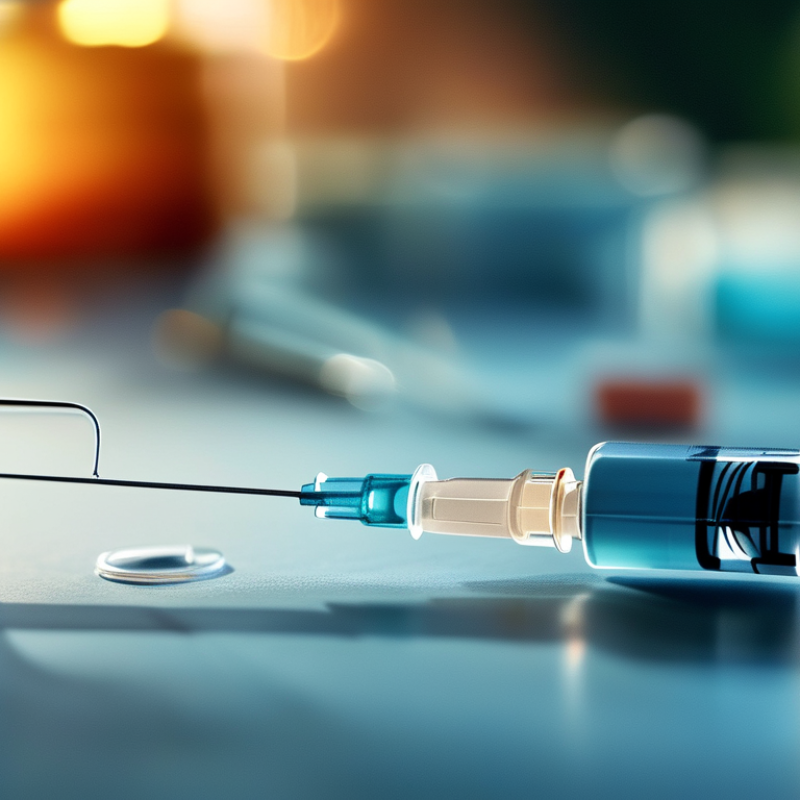
Hypodermic needles are essential in healthcare for administering medications and drawing blood. Understanding their usage is vital for safety and hygiene. According to the Centers for Disease Control and Prevention (CDC), unsafe needle practices lead to over 300,000 infections globally each year. Proper handling is crucial to prevent needle-stick injuries.
When using hypodermic needles, it’s important to follow safe practices. Always use a new needle for each injection and dispose of used needles immediately in a designated sharps container. The World Health Organization (WHO) emphasizes that safe disposal reduces risk of exposure to infections like hepatitis and HIV. Ensure that the container is puncture-proof and clearly marked as biohazard.
**Tips:** Always wash your hands before and after handling needles. Keep the sharps container out of reach of children. Remember to never reuse needles; even if the first use seems successful, the potential for contamination is significant. Each step in this process matters.
Safe disposal of hypodermic needles is essential for public health and safety. These needles can be hazardous. They may carry infectious diseases. Improper disposal can lead to needlestick injuries. Such injuries pose risks to sanitation workers and the community. Awareness is key.
Many people are unaware of proper disposal methods. Used needles should never be thrown in regular trash. Instead, they should go into puncture-proof sharps containers. These containers reduce the likelihood of accidents. Many local health departments offer disposal programs. Finding a nearby facility is important.
Education is crucial in this matter. Schools and community centers can host workshops. Talking openly about needle disposal is necessary. Knowledge helps eliminate stigma and misinformation. Everyone plays a role in keeping environments safe. Regular reminders and resources can help reinforce safe practices.
Disposing of hypodermic needles requires careful attention to safety. Start by gathering the tools you need: a strong puncture-proof container, gloves, and disinfectant. The container should be labeled clearly to prevent accidental injury. Wearing gloves protects your hands from potential risks. When handling the needle, remember to take your time. Rushing can lead to mistakes.
After collecting used needles, place them immediately into the puncture-proof container. Do not drop them into the regular trash. It’s safer to keep the container sealed at all times. If a needle breaks while you are handling it, do not panic. Use tweezers to pick up the broken pieces and place them in the container. Double-check that nothing is left behind.
When the container is full, seal it securely. Dispose of it according to local regulations. Many communities offer disposal options designed for sharps. Following these steps is crucial for your safety and the safety of others. Remember, mistakes happen. Reflect on your process regularly to improve your disposal methods. Safety is always an ongoing journey.
When it comes to disposing of hypodermic needles, choosing the right container is crucial. Safe disposal containers should be puncture-proof and clearly labeled. A rigid, sealed container prevents needles from sticking out or causing injury. Ensure that the container is made of durable material, such as plastic, to withstand the pressure of disposal.
Many people underestimate the importance of proper disposal. Used needles can pose health risks if not handled correctly. It’s vital to keep the containers away from children and pets. Remember to fill the container only to the recommended fill line. Overfilling can lead to accidental injuries when sealing the container. A general rule is to dispose of the container once it is three-quarters full.
In some areas, finding an appropriate disposal facility can be challenging. Local regulations may vary, and resources can be limited. Researching options within your community helps to ensure that your disposal methods align with safety standards. Educating yourself about the proper disposal will not only protect you but also contribute to public health. It's a responsibility that should not be taken lightly.
Proper disposal of hypodermic needles is crucial for public health. Many local regulations exist to ensure safe practices. For instance, the Centers for Disease Control and Prevention (CDC) reports that improper disposal can lead to needlestick injuries. In the United States, over 800,000 such injuries occur each year. These incidents predominantly affect healthcare workers, but the general public can be at risk too.
To navigate local regulations, check with municipal health departments. Most areas provide drop-off locations or community programs for needle disposal. For example, a report from the Environmental Protection Agency (EPA) indicates that local guidelines vary widely. Some cities offer special containers for disposal, while others may have designated collection days. Knowing your local resources can help mitigate risks.
Some people still choose to dispose of needles in regular trash. This practice poses dangers, like injury to waste workers. Furthermore, if anyone comes across a discarded needle, they may panic or improperly handle the situation. Educating the community on these policies and resources can reduce harm. The public needs consistent reminders about safe disposal methods and available options.
| State | Needle Disposal Regulations | Local Resources |
|---|---|---|
| California | Must use a sharps container; drop-off at specific sites. | Local health department offers free sharps containers. |
| New York | Sharps must be put in puncture-proof containers; mailback options available. | Free collection sites listed on the health department website. |
| Texas | Needles must be disposed of in approved containers; drop-off locations available. | Local recycling centers accept sharps waste. |
| Florida | Use an FDA-approved sharps container; check local collection events. | Community health departments offer disposal services. |
| Illinois | Must use sharps disposal containers; several community drop-off sites. | Local waste management services provide disposal guidelines. |
: Always wash your hands to maintain hygiene.
Place them in a puncture-proof sharps container. Never throw them in regular trash.
Use tweezers to pick up pieces and place them in the sharps container.
Improper disposal can lead to needlestick injuries and spread infectious diseases.
Host workshops and provide resources about needle disposal.
No, never reuse needles due to the risk of contamination.
It should be puncture-proof and clearly marked as biohazard.
Contact your local health department for information on disposal options.
There’s a danger of infections like hepatitis and HIV.
Regularly; it's key to improving safety practices over time.
This article provides a comprehensive overview of how to safely use hypodermic needles and syringes, emphasizing the significance of responsible usage and disposal. It begins by discussing the various applications of hypodermic needles and the necessity of ensuring safety during their use. The importance of proper disposal is highlighted to prevent potential hazards to both individuals and the community.
A step-by-step guide outlines safe disposal methods, emphasizing the need for appropriate disposal containers. Additionally, the article informs readers about local regulations and resources available for needle disposal, ensuring compliance with community standards. By following these guidelines, individuals can contribute to a safer environment while effectively managing the risks associated with hypodermic needles.

Wigivida Medical