How Respiratory Therapy Devices Support Chronic Patients Needs?

Time:2026-06-16 Author:Oliver
0%

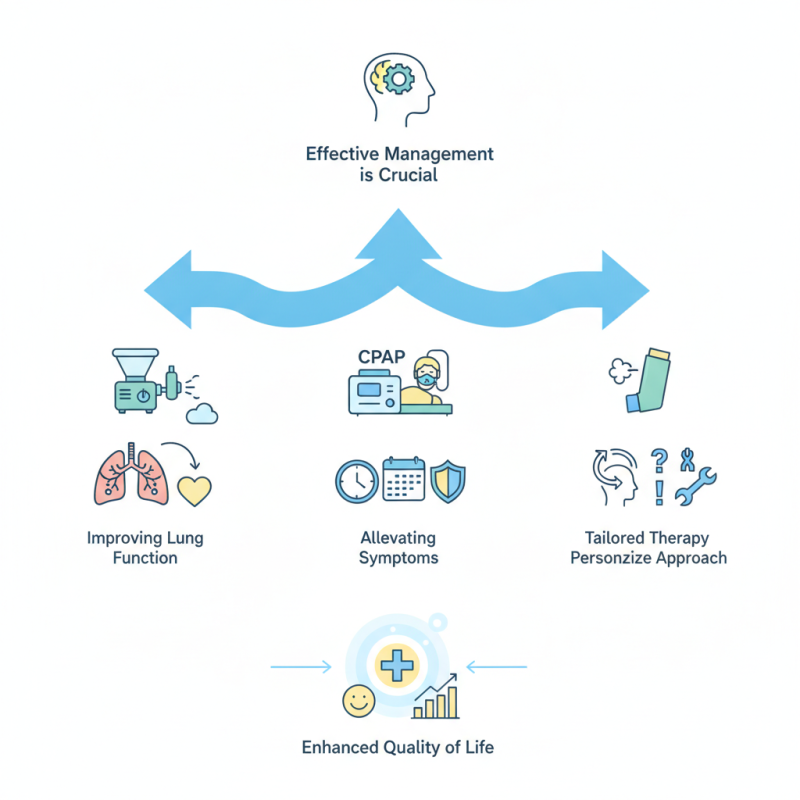
Chronic respiratory conditions affect millions globally. These patients face daily challenges in breathing and overall health. Effective management is crucial.

How respiratory therapy devices aid chronic patients is vital for enhancing their quality of life. These devices include nebulizers, CPAP machines, and inhalers. Each device serves a unique purpose in alleviating symptoms and improving lung function.

However, not all devices work equally well for every patient. This inconsistency can lead to frustration. Some patients might struggle with device settings or may experience side effects. Continuous patient education and tailored therapy plans are necessary to ensure optimal outcomes. A personalized approach can foster better adherence and empower patients in their journey.
How Respiratory Therapy Devices Support Chronic Patients Needs?

Overview of Respiratory Therapy Devices and Their Importance

Respiratory therapy devices play a crucial role in supporting patients with chronic respiratory conditions. These devices, including nebulizers and CPAP machines, help manage symptoms and enhance the quality of life. They provide essential support for breathing, allowing patients to engage in daily activities with greater ease. Each device is designed to meet specific needs and improve overall lung function.

Patients often face unique challenges in their journey. Understanding how these devices work is vital. For instance, nebulizers convert liquid medication into mist, making it easier to inhale. This can significantly reduce the frequency of emergency visits. CPAP machines, on the other hand, maintain airway pressure during sleep. This prevents apnea events, improving nighttime rest. However, some patients struggle with device comfort or adherence, illustrating the need for ongoing education and support.

Healthcare providers must stay attuned to these challenges. Regular assessments can help identify issues early. More personalized care plans can lead to better health outcomes. Emphasizing communication between patients and providers is essential for successful therapy management. Respiratory therapy devices are not just equipment; they represent hope and a better quality of life for many chronic patients.

Types of Respiratory Therapy Devices for Chronic Respiratory Conditions

Chronic respiratory conditions like COPD and asthma require careful management. Patients rely on various respiratory therapy devices to improve their quality of life. These devices play a vital role in delivering therapeutic gases and medications effectively.

One common type is the nebulizer. It converts liquid medicine into mist. This allows for easy inhalation. Patients find it especially helpful during flare-ups. Another essential device is the metered-dose inhaler. It delivers precise doses of medication. Learning to use it correctly takes time and practice. Many patients struggle with this, leading to inconsistent treatment.

Positive airway pressure (PAP) devices are also crucial. They assist in keeping airways open during sleep. However, not all patients adapt well to them. Discomfort and pressure might discourage regular use. Understanding each patient's unique needs is vital. The right guidance ensures better adherence to therapy. Each device has its pros and cons, highlighting the importance of personalized approaches in respiratory care.

How Respiratory Therapy Devices Support Chronic Patients Needs? - Types of Respiratory Therapy Devices for Chronic Respiratory Conditions

Device Type Purpose Common Conditions Treated Key Features
Oxygen Concentrators Provide supplemental oxygen COPD, Asthma, Pulmonary Fibrosis Portable, Continuous flow, Adjustable settings
CPAP Machines Treat sleep apnea Obstructive Sleep Apnea Auto-adjusting pressure, Humidification, Quiet operation
Nebulizers Deliver medication directly to lungs Asthma, Cystic Fibrosis, COPD Easy to use, Versatile medication delivery, Portable options
Ventilators Assist or control breathing Respiratory Failure, Severe Pneumonia Invasive and non-invasive options, Programmable settings, Monitoring features
Inhalers Deliver asthma medications Asthma, COPD Metered-dose, Dry powder, Breath-actuated

Mechanisms of Action: How These Devices Aid Chronic Patients

Chronic respiratory patients often face significant challenges. These can range from limited mobility to anxiety over breathlessness. Effective respiratory therapy devices play a fundamental role in addressing these needs. Reports indicate that over 300 million individuals suffer from asthma alone, highlighting a substantial demand for effective therapeutic interventions.

Mechanisms of action in respiratory devices primarily revolve around improving airflow and facilitating gas exchange. Devices like nebulizers and CPAP machines help deliver medication and maintain airway patency. According to the Global Initiative for Asthma, proper use of these devices can improve patients' asthma control by nearly 50%. This level of engagement is critical as adherence to therapy affects overall quality of life.

However, not all patients respond positively to these technologies. Data shows that approximately one-third of users may struggle with compliance. Factors include discomfort and misunderstanding device use. Continuous education and patient feedback are vital to optimizing therapy outcomes. A nuanced approach encapsulates both the strengths and limitations of these devices, calling for ongoing improvements in design and functionality.

How Respiratory Therapy Devices Support Chronic Patients Needs

This chart shows the effectiveness of various respiratory therapy devices in aiding chronic patients based on their usage percentage and relief outcomes.

Patient-Centered Care: Customization and Accessibility in Therapy Devices

In the realm of respiratory therapy, patient-centered care is essential. The rise of chronic respiratory diseases affects millions globally. According to the World Health Organization, respiratory illnesses account for 4 million annual deaths. Addressing diverse patient needs requires devices that are customizable and accessible.

Customization entails tailoring devices to the unique circumstances of each patient. Not all patients respond the same way to therapy. Data from the American Thoracic Society indicates that personalized treatment plans can improve outcomes by up to 30%. This highlights the need for flexible devices that accommodate variations in disease severity and lifestyle. Some patients may require supplementary oxygen at different levels. Others might need portable devices that fit into their daily routines.

Accessibility also plays a critical role in respiratory device effectiveness. Many individuals face financial barriers to acquiring necessary equipment. A report by the National Institute of Health emphasizes that nearly 25% of patients skip treatments due to cost. This points to a demand for affordable yet high-quality therapies. Efforts to increase insurance coverage for respiratory devices are vital. Ultimately, enhancing customization and accessibility leads to improved health outcomes for chronic patients.

Challenges and Advances in Respiratory Therapy for Chronic Patients

Chronic respiratory diseases affect millions globally. These conditions, such as COPD and asthma, require ongoing management. Many patients struggle to adhere to treatment due to complex regimens and device challenges. According to the Global Initiative for Chronic Obstructive Lung Disease (GOLD), about 60% of COPD patients report difficulty using their inhalers correctly. This highlights the need for user-friendly devices.

Recent advances address some challenges. Portable nebulizers, for instance, offer convenient options. They deliver medication effectively and fit easily into patients' lifestyles. Data from the American Thoracic Society shows that nearly 70% of patients prefer devices that are easy to use and transport. However, not all devices meet these needs. Many still lack proper education and support for users.

Inequities in access remain another issue. Patients in rural areas often face limited access to high-quality care. A study by the World Health Organization found that nearly 50% of patients in low-income regions could not obtain therapy devices. This lack of access contributes to worsening symptoms and increased hospitalizations. Addressing these disparities is crucial for improving outcomes.

FAQS

: What role do respiratory therapy devices play for patients?

: They support patients with chronic respiratory conditions, improving breathing and overall quality of life.

How do nebulizers assist patients?

Nebulizers convert liquid medication into mist, making inhalation easier during flare-ups.

What challenges do patients face with inhalers?

Many struggle to use metered-dose inhalers correctly, leading to inconsistent treatment outcomes.

Why are CPAP machines important?

They maintain airway pressure during sleep, preventing apnea events and improving nighttime rest.

What is a common issue with using PAP devices?

Some patients experience discomfort, making it hard for them to use them regularly.

How can healthcare providers support patients better?

Regular assessments and personalized care plans can help address individual patient needs.

What are portable nebulizers?

They are convenient devices that deliver medication and fit into patients' lifestyles easily.

What barriers do rural patients face in accessing respiratory care?

Limited access to quality care often leads to worsened symptoms and more hospital visits.

What percentage of patients prefer easy-to-use devices?

About 70% prefer devices that are user-friendly and portable.

What is a significant inequity in access to respiratory therapy?

Nearly 50% of patients in low-income regions lack access to necessary therapy devices.

Conclusion

Respiratory therapy devices play a crucial role in meeting the needs of chronic patients suffering from various respiratory conditions. These devices, which include nebulizers, CPAP machines, and oxygen concentrators, are designed to enhance breathing efficiency and overall health. By understanding the types of devices available and their specific mechanisms of action, healthcare providers can better support chronic patients.

How respiratory therapy devices aid chronic patients involves not only the delivery of necessary medication and oxygen but also the enhancement of patient-centered care. Customization and accessibility are key factors in making these therapies effective, ensuring that patients receive tailored solutions that account for their individual needs. Despite ongoing challenges in the field, recent advances in technology continue to improve the efficacy and accessibility of respiratory therapy, ultimately leading to better patient outcomes and quality of life.

Oliver

Oliver

Oliver is a seasoned marketing professional with a wealth of expertise in driving brand awareness and engagement. With a deep understanding of our company's product offerings, he consistently delivers high-quality content that enriches our professional blog. His insights not only shed light on......