Top Ways to Prevent Needle Stick Injuries in Hospitals?

Time:2026-05-09 Author:Ethan
0%

Needle-stick injuries in hospitals pose a significant risk to healthcare professionals. According to the Centers for Disease Control and Prevention (CDC), approximately 385,000 needle-stick injuries occur annually among U.S. healthcare workers. These incidents can lead to serious infections, including HIV and hepatitis. Understanding how to prevent needle-stick injuries in hospitals is critical for protecting staff and patients alike.

Implementing effective safety protocols is essential. The use of safety-engineered devices and proper disposal techniques can significantly reduce risks. Studies show that these measures can lower needle-stick injury rates by 50% or more. However, not all hospitals adhere to these practices consistently. Training and education remain vital in fostering a culture of safety. Many staff express uncertainty about safe handling practices, highlighting a need for ongoing education.

In our pursuit of safety, challenges remain. Some healthcare workers may be hesitant to report needle-stick injuries due to fear of repercussions. Additionally, the cost of implementing safety equipment can deter hospitals from upgrading their systems. To genuinely improve safety, a commitment to continuous improvement and reflection on existing practices is necessary. By addressing these challenges, hospitals can significantly enhance their strategies for preventing needle-stick injuries.
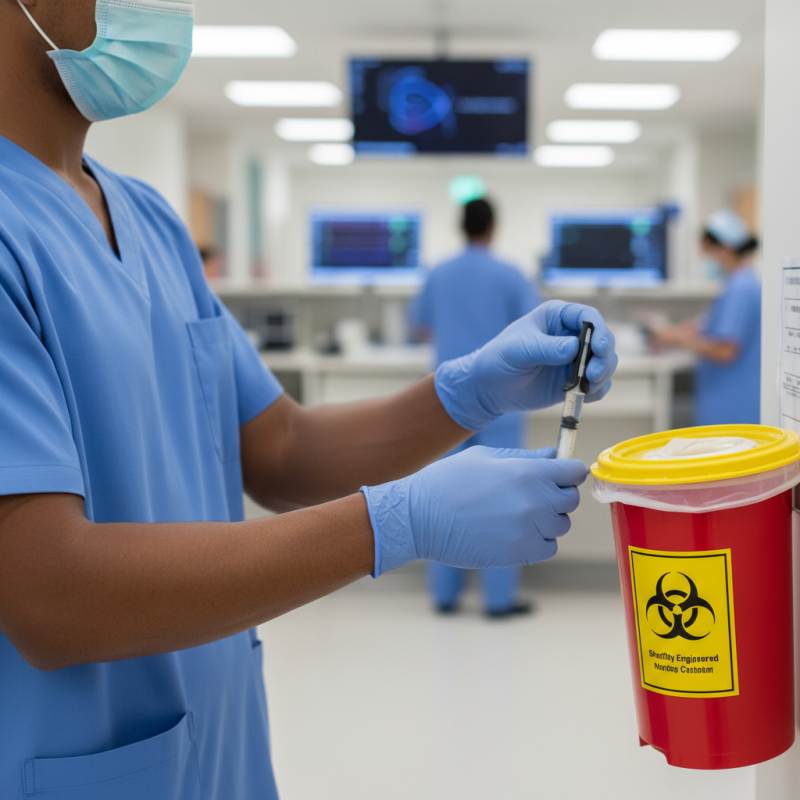
Top Ways to Prevent Needle Stick Injuries in Hospitals?

Top Strategies for Reducing Needle Stick Injuries in Healthcare Settings

Needle stick injuries pose a serious risk in healthcare settings. According to the Occupational Safety and Health Administration (OSHA), these injuries account for a significant number of the 385,000 needlestick injuries annually in the U.S. alone. Implementing effective strategies is crucial for protecting healthcare workers.

One effective tactic is the use of safety-engineered devices. A study published in the American Journal of Infection Control highlighted that devices with built-in safety features can reduce injuries by 30-70%. It's essential to provide proper training on these tools. Many healthcare workers may lack awareness or confidence in using new devices. Ongoing education helps alleviate fear and promotes proper usage.

Environmental factors also play a role. A cluttered workspace increases the chance of accidents. Hospitals can benefit from regular audits to ensure clean, organized areas. The National Institute for Occupational Safety and Health (NIOSH) emphasizes the need for adequate waste disposal systems near workstations. Ensure bins for sharps are easily accessible. When workers don’t have to look for disposal options, the risk decreases.

Ignoring these strategies can lead to significant financial and emotional costs. The aftermath of a needle stick injury can result in anxiety and administrative burdens, affecting both staff and patient care.

Understanding the Impact of Needle Stick Injuries on Hospital Staff

Needle stick injuries pose a significant risk for hospital staff. According to the U.S. Centers for Disease Control and Prevention (CDC), approximately 385,000 needle stick injuries occur annually among healthcare workers in the United States. These injuries can lead to serious infections, including HIV and Hepatitis B and C, which can deeply affect a healthcare worker's life and career.

To mitigate these risks, hospitals must adopt comprehensive safety protocols. Training programs that emphasize safe needle handling techniques and the importance of using protective gear can be effective. Staff should be encouraged to report incidents immediately for proper medical evaluation, ensuring that they receive appropriate treatment without delay.

Here are some tips to minimize needle stick injuries:
- Always use safety-engineered needles.
- Dispose of needles in designated sharps containers.
- Create a culture of safety where staff members can share concerns without fear.

An analysis by the World Health Organization indicates implementing these strategies can decrease needle stick injuries by up to 50%. Despite the presence of safety measures, some still occur due to human error or system flaws. Continuous reflection on these processes is crucial for improving safety in hospital environments.

Top Ways to Prevent Needle Stick Injuries in Hospitals

Prevention Strategy Description Effectiveness (%) Implementation Cost ($)
Training Staff Regular workshops on safe needle handling and disposal. 85% 500
Use of Safety Devices Implementing needle safety devices to minimize exposure. 90% 2000
Proper Waste Disposal Establishing protocols for safe disposal of needles. 80% 300
Use of Personal Protective Equipment Ensuring all staff are equipped with appropriate PPE. 75% 400
Regular Incident Reporting Encouraging reporting of all needle stick injuries. 70% 150

Implementing Safety-Engineered Devices to Minimize Risk

Needle stick injuries pose significant risks in hospitals. One effective way to reduce these incidents is by implementing safety-engineered devices. These tools are designed with features that minimize the likelihood of accidental needle exposure. For example, devices with retractable needles can protect healthcare workers after use. This simple, yet effective change in design can save countless injuries.

Training healthcare staff on the proper use of these safety devices is vital. It's essential for workers to understand how these tools function. Regular workshops can ensure that staff feel confident. This not only promotes safety but also reinforces a culture of precaution in the workplace. Encourage staff to share their experiences with these devices to foster a learning environment.

Consider establishing a feedback loop. Gather insights from frontline healthcare workers regarding these devices. Their firsthand experience can help manufacturers improve product designs. Addressing any concerns will lead to better safety solutions. Ultimately, fostering open communication enhances the overall safety culture in hospitals.

Top Ways to Prevent Needle Stick Injuries in Hospitals

Training Programs and Their Effectiveness in Preventing Injuries

Needlestick injuries pose a significant risk in hospitals, affecting healthcare workers and patient safety. Training programs have emerged as a key strategy in prevention efforts. Research indicates that proper training can reduce injuries by up to 30%. Continuous education on safe handling of sharps is vital. These programs often include hands-on training and simulations to enhance learning.


A study published in the Journal of Safety Research highlights the importance of actionable training. It found that nurses who participated in intensive training sessions reported fewer injuries compared to those with limited education. The impact of regular refresher courses is critical. Many hospitals overlook the necessity of ongoing training, leaving gaps in knowledge.


Moreover, staff feedback on these programs can reveal areas for improvement. Some participants might feel overwhelmed or question the relevance of certain topics. Addressing such concerns can enhance training session effectiveness. Implementing a feedback loop ensures that programs evolve and meet the needs of healthcare professionals.

Establishing Safe Disposal Practices for Sharps in Clinical Environments

Establishing safe disposal practices for sharps in clinical environments is crucial to prevent needle stick injuries. According to the Centers for Disease Control and Prevention (CDC), over 385,000 needle stick injuries occur in healthcare settings each year. These incidents can lead to severe health risks, including transmission of bloodborne pathogens. Effective disposal practices can significantly reduce these risks.

Health facilities should implement well-defined protocols for disposing of sharps. Inadequate disposal methods increase the likelihood of injuries. A study revealed that more than half of healthcare workers reported seeing improperly discarded needles. This statistic points to a need for better training and awareness. Sharps containers should be easily accessible and clearly labeled. They must comply with safety regulations to ensure that they can safely hold sharps until proper disposal.

Regular audits can help assess compliance with disposal protocols. Observing staff while they discard sharps can reveal gaps in their practices. Unsafe behaviors may persist due to stress or insufficient training. Facilities should invest in ongoing education programs to reinforce safe disposal techniques. Engaging healthcare workers in monthly discussions about safety can also promote a culture of vigilance. Reflecting on current practices is essential for creating a safer working environment.

FAQS

: What are safety-engineered devices?

: Safety-engineered devices minimize the risk of needle stick injuries in healthcare. They feature designs that protect workers after use.

How does training affect the prevention of needle stick injuries?

Proper training can reduce needle stick injuries by up to 30%. It enhances staff understanding of safe handling techniques.

Why is continuous education important?

Continuous education prevents knowledge gaps and reinforces safety habits. Regular refresher courses help keep staff updated on best practices.

What role does staff feedback play in safety programs?

Staff feedback highlights areas for improvement. Addressing concerns can make training sessions more effective and relevant.

How should sharps be disposed of safely?

Use clearly labeled sharps containers. Ensure they are compliant with safety regulations to reduce injury risks.

What do audits reveal about safety practices?

Regular audits can identify compliance gaps. Observing staff can uncover unsafe behaviors that need addressing.

How can a culture of safety be fostered?

Encourage open communication about safety experiences. Monthly discussions can enhance awareness and vigilance among staff.

What can lead to unsafe disposal practices?

Stress or inadequate training may result in improper disposal of sharps. Reflecting on practices can guide improvements.

Conclusion

Preventing needle-stick injuries in hospitals is critical for ensuring the safety and well-being of healthcare workers. Key strategies include the implementation of safety-engineered devices designed to minimize the risk of accidental punctures, which can significantly reduce the number of injuries. Furthermore, effective training programs are essential, equipping staff with the knowledge and skills needed to handle sharps safely and respond appropriately in case of an injury.

Additionally, establishing safe disposal practices for sharps in clinical environments is crucial. Proper disposal methods not only protect healthcare workers but also enhance overall workplace safety. By focusing on these areas, hospitals can effectively address the question of how to prevent needle-stick injuries in hospitals, ultimately fostering a safer healthcare setting for all.

Ethan

Ethan

Ethan is a seasoned marketing professional with a deep expertise in our company's innovative product line. With a passion for sharing knowledge and insights, he takes the lead in regularly updating our corporate blog, where he explores industry trends, product features, and effective marketing......