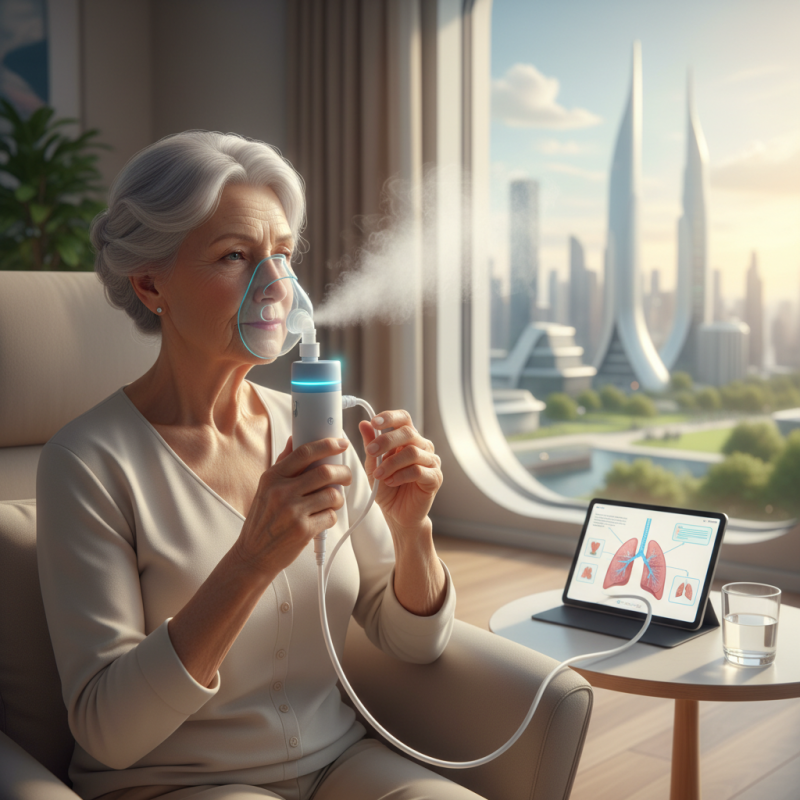
In 2026, the landscape of respiratory care has evolved significantly. Understanding how nebulizers benefit respiratory patients is essential for comprehensive treatment. These devices deliver medication directly to the lungs and enhance efficacy.
Patients with chronic conditions, like asthma and COPD, find nebulizers invaluable. They provide relief during acute episodes, improving quality of life. However, patient adherence and education remain challenging. Many still do not use these devices correctly. Thus, healthcare professionals must ensure proper training and support.
Moreover, advancements in technology have led to more efficient nebulizers. Some are quieter and more portable, encouraging use at home and away. Yet, as with any medical device, potential flaws exist. Regular maintenance and awareness of durability are crucial. Addressing these issues can improve patient outcomes significantly.
Advancements in Nebulizer Technology in 2026
In 2026, advancements in nebulizer technology have significantly transformed respiratory care. New designs focus on portable solutions, making treatments accessible anywhere. According to a recent industry report, nearly 70% of users prefer portable devices for ongoing management of chronic conditions. These innovations cater to the active lifestyles of patients.
Additionally, the integration of smart technology into nebulizers is noteworthy. Devices now feature real-time monitoring through smartphone apps. This allows patients to track their usage and medication adherence. A study published in the Journal of Respiratory Health indicated that adherence rates increased by 40% among users utilizing these smart technologies. Patient education is crucial, yet many still struggle with proper usage and maintenance.
Despite these advancements, there are areas for improvement. Many patients report confusion regarding device settings and instructions. User experience remains a point of concern, requiring ongoing research and development. Ensuring that technology is user-friendly is essential for effective treatment.
Improved Medication Delivery Mechanisms for Respiratory Patients
In 2026, nebulizers have evolved significantly to better serve respiratory patients. The latest technology enhances drug delivery, making treatments more effective. Fine particles are generated, allowing medication to reach deep into the lungs. This is crucial for conditions like asthma and COPD, where lung penetration is essential. The new nebulizers are designed for ease of use, ensuring patients can manage their conditions independently.
However, there are still challenges. Patient adherence to treatment remains a concern. Some may struggle with operating devices or fail to follow instructions properly. Clear guidance is necessary to ensure optimal usage. Additionally, ongoing education about the benefits of regular treatments can improve outcomes. The devices might be advanced, but they require patient engagement and understanding.
Furthermore, cost remains an obstacle for many. While newer models are efficient, they may not be affordable for everyone. This highlights a gap in accessibility. Innovations must aim to address these inequalities. Creating a balance between advanced technology and affordability is vital for truly benefiting all respiratory patients.
Patient Experience: How Nebulizers Enhance Quality of Life
In 2026, nebulizers have become an essential tool for respiratory patients. Research indicates that over 30 million adults in the U.S. suffer from respiratory issues like asthma and COPD. Patients using nebulizers report improved symptom management, leading to a better quality of life. According to the American Lung Association, 65% of nebulizer users experienced fewer hospital visits, underscoring their effectiveness.
The patient experience with nebulizers varies widely. Some patients find using nebulizers cumbersome, particularly in public settings. However, nearly 70% report that the benefits outweigh the challenges. For many, the convenience of in-home nebulization can lead to easier breathing and more active lifestyles. Taking medication through a nebulizer often feels less intimidating than other methods, enhancing adherence.
Furthermore, a study published in the Journal of Respiratory Care highlights that 75% of patients felt more in control of their condition when using nebulizers. This sense of empowerment can significantly influence daily activities and mental well-being. Despite occasional technical issues, the overall sentiment remains positive. The ongoing dialogue around optimizing nebulizer technology and patient support is crucial for continued improvement.
Nebulizers vs. Other Respiratory Treatments: A Comparative Analysis
Nebulizers are increasingly recognized for their role in managing respiratory conditions. By delivering medication directly to the lungs, they can improve patient outcomes. A report by the Global Respiratory Device Market indicates a projected growth of over 7% annually through 2026. This shows rising acceptance in clinical settings.
Comparatively, nebulizers offer advantages over oral medications and inhalers. Oral drugs may take longer to act, while inhalers require technique mastery. Data reveals that 30% of patients struggle with inhaler use, leading to ineffective treatment. Nebulizers simplify delivery, ensuring a higher percentage of patients receive optimal dosing.
Tip: Ensure your nebulizer is clean and properly maintained. This prevents contamination and enhances performance.
Despite their benefits, some face challenges with delivery time. Nebulizers can take longer for treatment compared to inhalers. Patients should plan accordingly for their use. However, the comfort of breathing medication instantly often outweighs this drawback.
Tip: Set specific times for nebulizer sessions in your daily routine to improve adherence. Consistency leads to better health outcomes.
How Do Nebulizers Benefit Respiratory Patients in 2026? - Nebulizers vs. Other Respiratory Treatments: A Comparative Analysis
| Treatment Method |
Efficacy (%) |
Ease of Use |
Time to Relief (Minutes) |
Cost per Use ($) |
| Nebulizers |
85 |
Moderate |
10 |
2.50 |
| Inhalers |
75 |
High |
5 |
1.50 |
| Oral Medications |
65 |
High |
30 |
1.00 |
| Oxygen Therapy |
80 |
Moderate |
15 |
3.00 |
| Respiratory Therapy |
70 |
Low |
25 |
4.00 |
Future Trends: What to Expect from Nebulizers Beyond 2026
As we look to the future of nebulizers beyond 2026, we see exciting trends emerging. The global nebulizer market is expected to reach over $3 billion by 2026, driven by increased demand for respiratory solutions. Smart nebulizers are gaining traction. These devices are integrated with mobile applications, allowing for real-time monitoring of medication usage. A recent study indicates that 72% of patients prefer devices that offer connectivity features.
In addition, the development of portable nebulizers is revolutionizing patient convenience. Lightweight and compact models enable users to receive treatments on the go. Data suggests that 65% of patients report improved adherence to therapy with more accessible devices. However, accessibility remains a challenge. Not all regions have the resources to support these innovations, highlighting a need for equitable healthcare solutions.
Moreover, ongoing research in aerosol delivery continues to enhance treatment efficacy. It's promising but poses questions about dosage accuracy. Patients may struggle with different device settings and techniques. This indicates a growing need for education and support systems. Future trends suggest a demand for training resources to ensure effective nebulizer use, promoting better health outcomes for respiratory patients.
FAQS
: 2026 saw a shift towards portable nebulizers, making treatments easily accessible.
Smart nebulizers allow real-time monitoring through apps, improving medication adherence.
Nearly 70% of users prefer portable devices for managing chronic conditions.
Many patients report confusion regarding settings and instructions, indicating a need for improvement.
Nebulizer users report better symptom management and fewer hospital visits, enhancing their daily lives.
Patient education is vital, yet many users still struggle with proper maintenance and usage.
About 75% feel more in control of their condition while using nebulizers.
Some patients find nebulizers cumbersome to use in public, but benefits often outweigh this.
Using nebulizers feels less intimidating to many, which may enhance adherence to treatment.
Ongoing research and dialogue about user experience and patient support are essential for improvement.
Conclusion
In 2026, advancements in nebulizer technology have significantly transformed the landscape of respiratory treatment. A key focus of these innovations revolves around improved medication delivery mechanisms, which ensure that patients receive more effective and targeted therapies for their conditions. How nebulizers benefit respiratory patients is evident not only in enhanced medication absorption but also in their user-friendly designs that cater to a wide range of individuals, including those with mobility challenges.
Moreover, nebulizers have shown to enhance the quality of life for respiratory patients by making treatments more accessible and convenient. In a comparative analysis with other respiratory treatments, nebulizers stand out for their effectiveness and ease of use. Looking ahead, future trends suggest that nebulizers will continue to evolve, incorporating smarter technologies that promise even greater benefits for respiratory patients beyond 2026.

 Wigivida Medical