Medical tape is a small clinical tool with an important responsibility. It helps hold dressings, tubing, electrodes, and lightweight medical devices in place. A secure dressing protects a wound from friction and outside contamination. A stable tube can reduce pulling, movement, and accidental dislodgement.
How medical tape helps secure devices and dressings depends on its material, adhesive strength, and intended use. Paper tape is often gentle and breathable. Cloth tape can provide stronger support for active areas. Silicone tape may suit fragile or easily irritated skin because it can be removed more gently. Transparent films allow clinicians to observe the covered area without lifting the dressing.
Good application requires more than pressing tape onto skin. The skin should be clean, dry, and checked for redness, swelling, moisture, or broken areas. Tape should support the device without creating tight pressure. Edges should lie flat, especially near joints where movement can loosen them. A nurse may also use a small loop of tape to reduce tension on tubing.
Tape is not foolproof. Sweat, movement, oils, and poor placement can weaken adhesion. Some patients develop itching or irritation, even with products labeled gentle. This is where clinical judgment matters. Healthcare professionals should follow product instructions, assess the patient’s skin, and replace or remove tape when necessary. Understanding these practical details helps readers choose safer methods for securing devices and dressings without treating adhesive tape as a substitute for proper wound care or medical supervision.
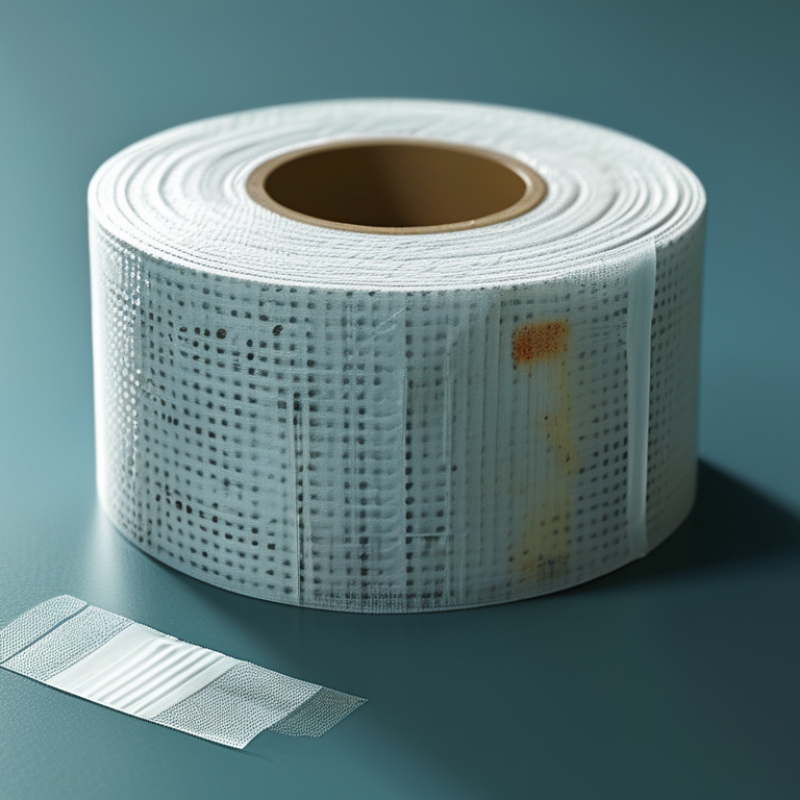
Medical tape is a skin-friendly adhesive material used to hold dressings, tubing, sensors, and lightweight medical devices in place. It usually has a flexible backing and an adhesive layer that grips clean, dry skin. Some tapes stretch with movement, while others provide firm support. The right choice depends on skin condition, moisture, device weight, and how long fixation is needed.
To secure a dressing, a clinician centers the tape over the edge without covering the wound itself. For tubing or wires, tape can create a small anchor point and reduce pulling at the insertion site. Gentle pressure helps the adhesive bond. However, excessive tension may irritate skin or restrict movement. It sounds simple, but poor placement can loosen quickly. In practice, skin preparation matters as much as tape selection. Oil, sweat, lotion, and hair may reduce adhesion.
Tips: Clean and dry the skin before application. Avoid placing tape over damaged or infected skin unless directed by a healthcare professional. Remove it slowly, following the direction of hair growth, while supporting the skin. Check for redness, blisters, swelling, pain, or numbness. Sensitive skin may need a gentler adhesive or a different fixation method. The tape should feel secure, not tight. Reassessment is important, especially after bathing, sweating, or patient movement.
Medical tape is used to hold wound dressings, gauze, tubing, catheters, electrodes, and other lightweight medical devices in place. Common tape widths include 0.5 inch (12.7 mm), 1 inch (25.4 mm), and 2 inches (50.8 mm). Narrower tape is generally suitable for small dressings and tubing, while wider tape can provide broader support for larger dressings. Tape selection should consider skin condition, moisture, required holding strength, and the need for atraumatic removal.
Medical tape holds dressings and lightweight devices against clean, dry skin. Common examples include gauze pads, foam dressings, non-woven wound covers, and transparent films.
It can also secure peripheral intravenous catheters, extension tubing, drainage lines, electrodes, and temporary feeding tubes. The tape should stabilize the device without covering an insertion point that requires inspection.
The 2022 WHO Global Report on Infection Prevention and Control states that about 7 in 100 acute-care patients in high-income countries acquire at least one healthcare-associated infection. In lower- and middle-income countries, the estimate rises to 15 in 100.
Secure dressings may reduce unnecessary movement and contamination risk, but tape is not a substitute for hand hygiene or correct dressing changes. The Infusion Nurses Society’s 2024 standards also emphasize securement, site visibility, and regular assessment for redness, leakage, pain, or loosening.
A tight application can injure fragile skin. I have seen “secure” tape become the problem.
Tips Choose the narrowest tape that provides reliable support. Apply it without stretching. Leave tubing loops relaxed, especially near joints. Check the skin during every dressing change. For sensitive or elderly skin, use gentle removal techniques and consider an approved alternative securement method. Never tape over drainage, damaged skin, or an access point that must remain visible. Cost and convenience matter, but patient movement, moisture, and perspiration can quickly weaken adhesion.
Medical tape helps secure dressings, tubing, electrodes, and lightweight devices against the skin. Choosing the right type matters because skin, moisture, movement, and wear time vary between patients. No single tape suits every situation.
Cloth tape is strong, flexible, and useful around joints or areas that move often. It can hold thicker dressings and some tubing, but removal may irritate fragile skin.
Paper tape is lightweight and breathable. It is often suitable for sensitive skin and short-term dressing changes, although sweat can weaken its hold.
Transparent film tape allows the site to remain visible while helping protect it from outside moisture. It works well over small dressings or securement points, but it may not stay attached to damp skin.
Silicone tape removes more gently and may help reduce pulling during changes.
Elastic tape can follow body movement, though it needs careful application to avoid excess pressure.
Tips: Clean and dry the skin before application. Avoid stretching the tape tightly. Press the edges firmly for several seconds. Check the skin regularly for redness, swelling, or blistering. Remove tape slowly, following the direction of hair growth, while supporting the skin. Adhesion can still fail unexpectedly, especially with perspiration. For infants, older adults, or people with fragile skin, professional guidance is sensible. A small test area may reveal irritation before wider use.
Medical tape helps secure dressings, tubing, electrodes, and light medical devices against clean, intact skin. Its safe use depends more on preparation than pressure. Wash your hands, inspect the skin, and gently clean away moisture or oils. Let the area dry fully. Damp skin weakens adhesion and may increase irritation.
Measure enough tape to hold the device without wrapping tightly. Apply it smoothly, without stretching the tape across the skin. Leave circulation and movement unobstructed. For tubes, place the tape beside the connection rather than directly over a fragile joint. Never cover an open wound unless the product is specifically designed for that purpose. Check the site regularly for redness, swelling, itching, numbness, or unusual pain. Small details matter.
Removal should be slow and deliberate. Loosen one corner, then peel the tape back low and parallel to the skin. Use your other hand to support the skin, especially near joints or areas with little padding. Pulling upward can cause skin tears. A warm, damp cloth may soften residue, but avoid harsh solvents and broken skin. Stop if the skin begins to lift or bleed. Seek professional advice for infants, older adults, fragile skin, or repeated reactions. A common mistake, even among careful caregivers, is changing tape too quickly and disturbing the device. The safest method may feel slower.
What Is Medical Tape Used to Secure Devices and Dressings?
Medical tape helps hold gauze, tubing, sensors, and lightweight dressings in place. Its purpose sounds simple, but the wrong tape can cause lifting, moisture buildup, or painful removal. Choice should begin with the patient’s skin, not the package label. Fragile or elderly skin may need a gentle adhesive. Active areas, such as elbows, require flexible tape that tolerates movement. For sweaty skin or humid conditions, stronger adhesion may be necessary. Yet stronger is not always safer.
Other factors include wear time, dressing size, body location, and the device’s weight. A narrow strip may secure a small tube, while a wider piece can support a larger dressing. Breathable materials may reduce trapped moisture around the wound. Clinicians should also check for redness, itching, blistering, or edge lifting during use. I have found that a tape choice can seem suitable at first, then fail after movement or perspiration. That is why reassessment matters. No single tape fits every patient.
Tips: Clean and dry the surrounding skin before application. Avoid stretching the tape during placement. Press the edges gently for better contact. Remove it slowly, following the direction of hair growth. If irritation appears, stop and seek professional advice. A small test area may help, although it cannot predict every reaction. Always follow the dressing or device instructions, and review the site regularly.
Medical tape holds dressings, tubing, sensors, and lightweight devices against clean, dry skin. It helps limit movement and pulling. It does not replace hand hygiene or proper dressing changes.
It can secure gauze pads, foam dressings, non-woven wound covers, and transparent films. Place tape over the dressing edge, not directly over the wound. Keep important access points visible.
It may secure peripheral intravenous catheters, extension tubing, drainage lines, electrodes, and temporary feeding tubes. Create a small anchor point for tubing. Leave loops relaxed near joints.
Clean the surrounding skin and let it dry completely. Oil, sweat, lotion, and hair can weaken adhesion. Avoid damaged or infected skin unless directed by a healthcare professional.
Apply tape without stretching it. Press the edges gently for better contact. It should feel secure, not tight. Too much tension may irritate skin or restrict movement.
Remove it slowly while supporting the skin. Follow the direction of hair growth. Pause if the skin pulls, burns, or becomes painful.
Consider skin sensitivity, moisture, movement, device weight, and expected wear time. Flexible tape suits moving areas, such as elbows. Gentler adhesive may suit fragile or elderly skin. Stronger adhesion is not always safer.
Check for redness, itching, blisters, swelling, pain, numbness, leakage, or loose edges. Reassess after bathing, sweating, and patient movement. Stop using the tape and seek professional advice if irritation appears. Secure tape can become the problem.
Medical tape is a pressure-sensitive adhesive material designed to keep dressings, tubes, and small medical devices securely in place while allowing appropriate skin movement. How medical tape helps secure devices and dressings depends on its adhesive strength, flexibility, breathability, and compatibility with the patient’s skin. It may be used with wound dressings, gauze, IV tubing, catheters, electrodes, and other lightweight devices. Common types include paper, cloth, transparent, foam, silicone, and hypoallergenic tapes, each suited to different levels of moisture, movement, sensitivity, and wear time.
Safe application begins with clean, dry skin and the correct tape size. The tape should be placed without excessive tension, while avoiding wounds, irritated areas, and restricted circulation. When removing it, loosen one edge and peel slowly in the direction of hair growth while supporting the skin. Selecting the right tape requires considering skin condition, body location, required holding strength, exposure to moisture, duration of use, and the need for painless removal.

Wigivida Medical