Gauze pads and rolls are essential tools in wound care. Understanding how to use gauze pads and rolls effectively can significantly enhance the healing process. These materials hold moisture, protect the wound, and prevent infections. When applied correctly, they create an optimal environment for healing.
Improper use of gauze can lead to complications. Using too much pressure may disrupt circulation. Conversely, if not secured well, pads can shift, putting the wound at risk. Choose the right size of gauze to ensure proper coverage. Regularly check the wound to change the dressing as needed. This attention to detail can prevent further issues.
Learning the intricacies of gauze application is vital. It may take practice to master. Experiment with different methods to find what works best for your situation. Reflecting on any mistakes made during the process can lead to better outcomes. Engaging with healthcare professionals for guidance will enhance your knowledge, making your wound care approach more effective.
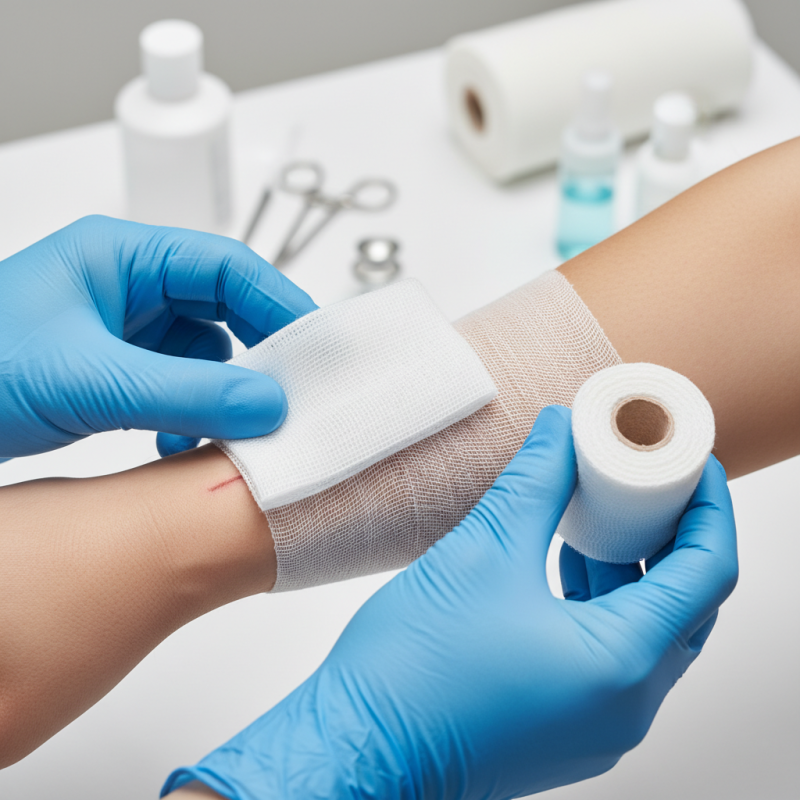
Understanding Gauze Pads and Rolls: Their Purpose and Benefits
Gauze pads and rolls are essential in wound care. They are designed to protect injuries, maintain moisture, and prevent infections. The primary purpose of these products is to create an environment conducive to healing. A clean and sterile surface can significantly reduce the risk of complications.
Utilizing gauze effectively requires understanding their types. Absorbent pads are great for heavy exudates, while roll gauze offers flexibility for wrapping various shapes. Each serves a distinct purpose. When applying, ensure the wound is clean. Use an appropriate size to cover the entire wound. Achieving a snug fit is crucial, but be careful not to restrict circulation.
While gauze pads and rolls are reliable, they can present challenges. Sometimes, they may stick to the wound, causing pain during removal. It’s important to monitor for signs of infection regularly. If gauze becomes saturated, change it promptly. Learning the intricacies of gauze care takes practice. Mistakes may happen, but they offer valuable lessons in wound management.
Choosing the Right Type of Gauze: Different Materials and Sizes Explained
When choosing the right type of gauze for effective healing, it’s essential to consider the material and size. Different materials, such as cotton or synthetic blends, offer unique benefits.
Cotton gauze is breathable and gentle on the skin, making it ideal for sensitive areas. In contrast, synthetic options may provide better absorption, which is crucial for more exudative wounds. According to a study published by the Journal of Wound Care, proper material selection can improve healing times by up to 30%.
Size also plays a vital role in gauze application. Larger pads cover more area, suitable for significant wounds. Smaller rolls are excellent for wrapping around limbs or for use in intricate areas. A recent data analysis indicated that using the correct gauze size reduces the risk of infection by 20%. However, using an inappropriate size can leave parts of the wound exposed, leading to complications.
Assessing the wound type and area before application is crucial for optimal healing outcomes.
Understanding these differences can help you make informed choices. Yet, it requires patience and practice to master gauze use. Inconsistent application techniques may lead to a less effective healing process. Monitoring and adjusting your approach based on the wound’s response is essential for better recovery.
Step-by-Step Guide to Properly Applying Gauze Pads and Rolls
Gauze pads and rolls are key tools in wound care, enabling better healing and infection prevention. Proper application is crucial. Start by washing your hands thoroughly. This reduces the risk of introducing bacteria to the wound site. Next, assess the wound's size and depth. Gauze should completely cover the area for optimal healing.
When applying a gauze pad, hold it with sterile gloves. Place it gently on the wound without applying excessive pressure. Studies show that maintaining moisture in the wound environment can improve healing by up to 50%. Using rolls allows for flexible coverage; make sure to wrap it snugly but not overly tight. The goal is to promote healing while ensuring blood circulation remains intact.
After applying the gauze, secure it properly. Check for any signs of infection daily, such as increased redness or swelling. If you notice these signs, reassess your application method. It’s important to remember that each wound is unique, and healing varies by person. Being attentive can make a significant difference in recovery.
How to Change and Dispose of Gauze Effectively for Infection Control
Changing and disposing of gauze pads effectively is crucial for infection control. Begin by washing your hands thoroughly with soap and water. This initial step eliminates harmful bacteria. Use a clean pair of gloves before touching the dressings. It is essential to keep the area around the wound clean during the process. As you remove the old gauze, do so gently to avoid disrupting the healing tissue.
When disposing of used gauze, always place it in a sealed plastic bag. This prevents contamination and controls odors. After sealing the bag, throw it away in a designated waste bin. Regularly changing the dressing, ideally every 1-2 days, can enhance healing. Be attentive to any signs of infection, such as increased redness or pus.
**Tips:** Always ensure that new gauze is sterile before application. If there are any visible signs of infection, consult a healthcare professional immediately. Consider marking the date on the gauze package to keep track of changes. Staying vigilant and informed can significantly aid in the healing process.
Effectiveness of Gauze Pads and Rolls in Wound Healing
This bar chart illustrates the effectiveness of various types of gauze pads and rolls in promoting wound healing over a period of time. The effectiveness is measured based on healing rate, infection rate, and overall patient satisfaction.
Best Practices for Monitoring Healing and Identifying Complications
Monitoring healing after an injury is crucial for effective recovery. Keep a close eye on the wound daily. Look for signs of redness, swelling, or increased pain. These can indicate complications like infection. If you notice any unusual discharge, seek medical advice promptly. Keeping a journal can help track these changes over time.
Pay attention to the condition of the gauze pads and rolls. Change them regularly to prevent moisture buildup, which can hinder healing. Clean the area gently with saline solution. This helps avoid irritation and keeps the wound clean. It’s easy to overlook this step, but it’s important for optimal healing.
Sometimes, wounds do not heal as expected. Reflections on your care routine are necessary. Ask yourself if you followed best practices. Frequent self-assessments can prevent larger problems. Remember, not every day will go perfectly. Learning from these experiences is key to improving your wound care.
Conclusion
This article provides a comprehensive guide on how to use gauze pads and rolls effectively for optimal healing. It begins by explaining the purpose and benefits of these wound care tools, emphasizing their role in protecting wounds and promoting healing. The article then details how to choose the right type of gauze based on different materials and sizes, ensuring that users can select the most suitable option for their specific needs.
Furthermore, a step-by-step guide is offered for the proper application of gauze pads and rolls, along with important instructions on how to change and dispose of gauze to prevent infection. Finally, the article highlights best practices for monitoring healing progress and identifying potential complications, making it an essential resource for anyone looking to enhance their wound care techniques. By following these guidelines, readers can confidently master how to use gauze pads and rolls effectively in their healing process.

 Wigivida Medical