In the fast-paced environment of healthcare, efficiency is paramount. Hospitals constantly seek solutions to streamline their operations. One emerging solution is the use of disposable medical kits. These kits are designed to enhance patient care while reducing the burden on healthcare staff.
How disposable medical kits improve hospital workflow is a critical question. By providing ready-to-use supplies, these kits minimize time spent on preparation. Nurses and doctors can access necessary tools immediately. This convenience allows medical personnel to focus more on patient care than on logistical issues. However, implementation may vary in different hospital settings. There are still challenges in maintaining a balance between standardization and customization.
As we explore further, we will examine the specific ways these kits are integrated into existing systems. We will also look at possible setbacks. Overall, disposable medical kits represent a significant shift. Their potential to improve hospital workflow is noteworthy, but careful consideration of their use is essential.
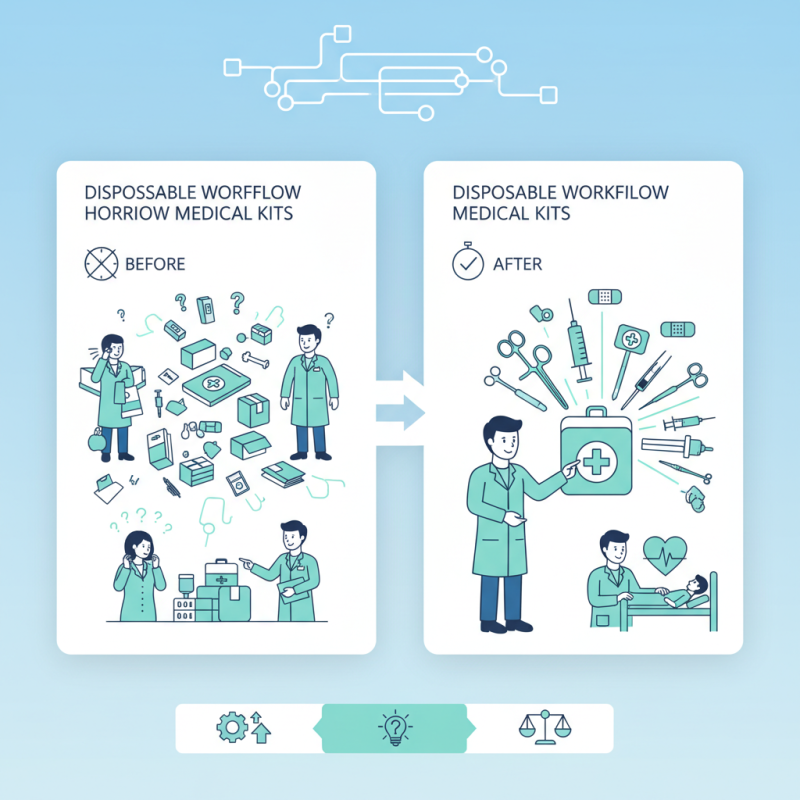
Disposable medical kits serve as crucial components in today’s healthcare settings, aiming to enhance workflow efficiency. These kits typically include essential items such as syringes, bandages, and sterile surgical instruments. With the rising demand for effective healthcare delivery, disposable kits have gained traction due to their convenience and safety features.
A study from the Healthcare Industry Research Institute indicates that up to 30% of hospital workflow inefficiencies stem from inadequate supply management. By utilizing disposable kits, hospitals can streamline processes and reduce time spent on inventory management. These kits come pre-packaged and ready for immediate use, minimizing delays during critical procedures. Yet, some challenges remain, such as the environmental impact of increased plastic waste.
Furthermore, a report from the Global Healthcare Supplies indicates that hospitals can save approximately 20% on operational costs by adopting disposable kits. This cost-effectiveness is significant, especially in resource-strapped environments. However, the reliance on disposables also raises questions about long-term sustainability. Investing in alternatives might be necessary as hospitals navigate the fine balance between efficiency and ecological responsibility.
Disposable medical kits play a significant role in optimizing hospital workflows. These kits streamline processes by consolidating essential supplies into one package. By reducing the time spent on gathering materials, healthcare workers can focus more on patient care. The kits ensure that everything needed for a procedure is readily available and organized. This reduces the risk of delays caused by searching for missing items.
Tips: Always assess the specific needs of your department before choosing kits. This ensures that the contents align with your procedures. Regularly review kit usage and effectiveness to identify areas for improvement. A quick inventory check can prevent waste and unnecessary costs.
Additionally, the use of disposable kits can enhance infection control protocols. Each kit is sealed and sterile, minimizing contamination risks. This is crucial in maintaining a safe environment for patients. However, relying solely on disposables might lead to overlooking sustainable practices. It's essential to balance efficiency with environmental considerations. Exploring reusable options for non-critical tasks can create a more efficient workflow in the long run.
Disposable medical kits have become a vital resource in healthcare settings. These kits provide a streamlined approach to patient care. They contain necessary instruments bundled together, allowing for quick access. This efficiency reduces delays during critical moments. Medical staff can focus on patient needs without unnecessary distractions.
Using disposable kits offers several advantages. They minimize the risk of cross-contamination, enhancing patient safety. Additionally, these kits are pre-sterilized and ready for immediate use. This not only saves time but also optimizes the workflow in hospitals. Healthcare professionals find the ease of disposal attractive, as it eliminates the challenges of cleaning and reprocessing.
Tips for maximizing the use of disposable medical kits include ensuring staff is trained in their use. Regular assessments of kit contents can help maintain efficiency. Pay attention to expiration dates for the materials. Consider feedback from the medical staff regarding what they need most. This can help improve kit design and contents over time. The focus should be on continuous improvement and adaptation to enhance patient care.
Disposable medical kits significantly contribute to patient safety and infection control in hospitals. They reduce the need for extensive sterilization processes. Each kit comes pre-packaged and ready to use. This minimizes the risk of cross-contamination. Medical staff can easily access sterile tools, ensuring a clean environment. Quick access helps in reducing surgical delays, which often compromise patient safety.
Infection control is paramount in healthcare settings. Disposable kits help limit the spread of pathogens. Once used, these kits are discarded, preventing reuse and potential infection outbreaks. Hospitals face challenges, such as ensuring all staff adhere to hygiene protocols. Inconsistent practices may still occur, raising concerns about infection risks. Hospitals must maintain strict training and oversight to maximize the benefits of these tools.
Patient outcomes can greatly improve with better hygiene practices. While disposable kits serve as a crucial element, they aren't a complete solution. Staff education on proper usage is essential. Observations show that some providers underestimate the importance of disposal procedures. Continuous training and evaluation can reinforce best practices in infection control.
Disposable medical kits have transformed hospital workflows in various settings. These kits streamline processes, reduce waste, and minimize the risk of infection. For instance, a hospital in California adopted disposable surgical kits for its outpatient procedures. The results were impressive. Staff reported a significant reduction in setup time, allowing them to focus more on patient care.
Another case study involved an urban emergency department. They integrated disposable medical kits for trauma responses. This implementation led to faster response times during critical incidents. While the kits improved efficiency, some staff raised concerns about environmental impact. Disposable materials contribute to waste, and hospitals must find a balance between efficiency and sustainability.
Communication is crucial when introducing disposable kits. Training staff effectively ensures everyone understands the kits' benefits and potential drawbacks. A well-prepared team can adapt quickly, enhancing patient care. However, hospitals should continually assess the effectiveness of these kits, seeking feedback and refining the process.
: Disposable medical kits are pre-packaged supplies used in healthcare settings. They include items like syringes and bandages.
These kits streamline processes by consolidating supplies. This saves time spent gathering materials and improves patient care focus.
Each kit is sealed and sterile, reducing contamination risks. This is vital for maintaining patient safety in hospitals.
Yes, hospitals can save about 20% on operational costs. This is beneficial for facilities with limited resources.
Yes, increased plastic waste presents ecological challenges. It's crucial to consider sustainable practices while using disposables.
Regularly review kit usage and departmental needs. This helps ensure the contents align with specific medical procedures.
While convenient, relying solely on disposables may overlook sustainability. Finding a balance is key for efficient operations.
Quick inventory checks should be done regularly. This can prevent waste and reduce unnecessary costs in the long term.
Disposable medical kits play a crucial role in enhancing hospital workflow efficiency by streamlining various processes involved in patient care. Comprising essential medical supplies pre-packaged for specific procedures, these kits are designed to minimize preparation time for healthcare professionals. By reducing the complexity and variability of medical setups, disposable medical kits contribute significantly to workflow optimization in hospitals.
Moreover, using these kits enhances patient safety and infection control by ensuring that all materials are sterile and single-use, thus minimizing the risk of cross-contamination. Case studies have demonstrated that successful implementation of disposable medical kits leads to improved operational efficiency and better health outcomes. In summary, understanding how disposable medical kits improve hospital workflow is vital for optimizing healthcare delivery and ensuring high standards of patient care.

Wigivida Medical