In surgical settings, ensuring the safety of patients is paramount. One critical aspect of this is understanding how to reduce cross-contamination in surgical consumables. Studies show that approximately 30% of surgical site infections (SSIs) are linked to improper handling of these materials. Each year, SSIs affect millions of patients and contribute significantly to healthcare costs. A report from the World Health Organization highlights the importance of infection control practices in surgical environments.
Cross-contamination can occur at various stages, from storage to usage. This underscores the need for stringent protocols. For example, the Centers for Disease Control and Prevention (CDC) recommends specific sterilization guidelines. However, despite these recommendations, many facilities still face challenges in compliance. Some hospitals report that up to 20% of surgical tools are not properly sterilized, raising alarms about patient safety.
Awareness is growing, yet improvement is needed. Innovative practices and technology can aid in minimizing risks. Training staff on proper handling techniques is essential. Engaging healthcare professionals in ongoing education can foster a culture of safety. Addressing these gaps head-on can lead to significant advancements in surgical care.
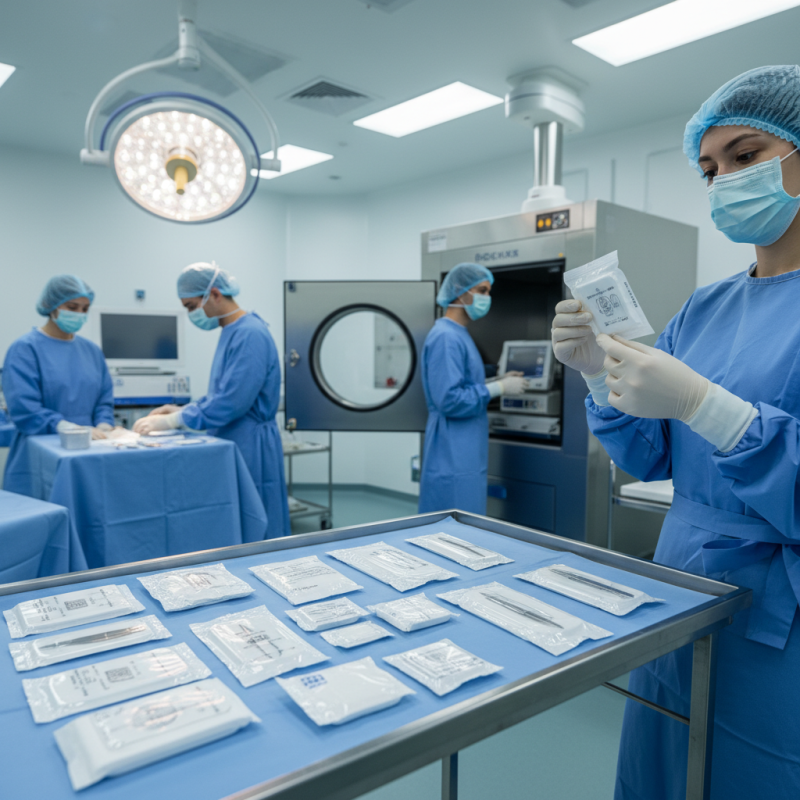
Cross contamination in surgical settings poses significant risks to patient safety. It's crucial to understand how this occurs. Often, it happens when instruments or consumables touch contaminated surfaces or materials. These scenarios can lead to infections or complications during surgery. Knowledge of these pathways helps staff implement effective prevention measures.
One common source of cross contamination is the handling of surgical consumables. Using proper techniques can minimize these risks. For example, staff should avoid touching the exposed parts of packaging. Disposable items must be handled carefully and disposed of immediately after use. Training is essential, but even trained personnel may slip at times. Regular audits can identify areas needing improvement. Mistakes happen, but they can lead to serious consequences in a surgical environment.
In addition, monitoring the sterilization processes is vital. Equipment must be properly sterilized between uses. However, manual errors can occur, leading to contamination. Using automated tracking systems can help ensure compliance. Facilities should encourage an open conversation about mistakes. This practice can foster a culture of safety, where staff feel empowered to report concerns. Addressing these vulnerabilities is key to maintaining high standards in surgical care.
| Method | Description | Effectiveness | Implementation Cost |
|---|---|---|---|
| Proper Sterilization | Ensuring all surgical instruments are properly sterilized before use. | High | Medium |
| Single-Use Consumables | Using single-use items to eliminate the risk of cross contamination. | Very High | High |
| Staff Hand Hygiene | Regular and thorough handwashing to prevent bacterial transfer. | High | Low |
| Controlled Access | Limiting access to operating rooms to essential personnel only. | Medium | Low |
| Surface Disinfection | Regular cleaning and disinfection of surfaces to minimize pathogen presence. | High | Medium |
| Use of Barriers | Applying protective barriers on surfaces to reduce contamination risk. | Medium | Low |
| Training Programs | Educating staff about cross contamination and best practices. | High | Medium |
| Monitoring and Auditing | Regular assessments to ensure compliance with infection control protocols. | Very High | Medium |
| Proper Waste Disposal | Ensuring contaminated materials are disposed of correctly. | High | Low |
| Regular Equipment Maintenance | Routine checks and maintenance of surgical equipment. | Medium | Medium |
: Cross contamination occurs when instruments touch contaminated surfaces, leading to infection risks during surgery.
Improper techniques, such as touching packaging, can introduce pathogens to sterile items.
Up to 20% of surgical site infections may be linked to contaminated instruments and consumables.
Proper sterilization lowers infection rates. It’s essential for ensuring patient safety after each use.
Staff should avoid touching exposed parts and dispose of disposable items immediately after use.
Training is crucial, though even trained staff may make mistakes. Regular training updates can improve practices.
Yes, an open conversation can foster a safety culture where staff feel comfortable reporting concerns.
Strict hand hygiene is vital; improper practices can lead to 30% of healthcare-associated infections.
Audits can reveal gaps in compliance with handling practices and highlight areas needing improvement.
Awareness and reflection on techniques can drive safer practices and enhance overall surgical results.
Cross-contamination in surgical settings poses significant risks, making it crucial to understand its underlying causes and implement effective prevention strategies. This article outlines how to reduce cross-contamination in surgical consumables by first identifying common sources of contamination. Awareness of these sources allows for targeted interventions.
Effective sterilization techniques are essential for surgical instruments, ensuring that all tools are properly cleaned and disinfected. Additionally, implementing proper handling practices—such as using sterile gloves and maintaining a clean work environment—further minimizes contamination risks. Training staff on best practices is also critical, as it empowers them to consistently follow procedures that safeguard patient safety and uphold sterile conditions. By adopting these comprehensive measures, healthcare facilities can significantly mitigate the risks associated with cross-contamination in surgical consumables.

 Wigivida Medical