China’s IV set industry is changing how hospitals approach fluid delivery. Reliable sets can support steadier flow, cleaner connections, and fewer interruptions during treatment. How IV sets improve fluid therapy efficiency depends on design, manufacturing quality, and clinical handling.
Infusion therapy expert Lisa A. Gorski, RN, MS, HHCNS-BC, CRNI, FAAN, has stated, “Safe infusion practice depends on reliable systems, skilled assessment, and consistent monitoring.” This principle applies directly to IV sets. A well-designed set can reduce priming difficulties, limit air exposure, and make flow adjustments more predictable. Clear tubing helps nurses observe bubbles, discoloration, or unexpected particles before they reach the patient. Secure connectors can also reduce accidental disconnections beside a busy hospital bed.
Small details matter.
China-made IV sets may offer practical advantages, including varied configurations, competitive production capacity, and compatibility with common infusion pumps. Yet efficiency should never mean choosing the lowest price alone. Medical facilities must examine sterility assurance, material safety, leak resistance, drop-factor accuracy, and documentation. ISO-aligned manufacturing can strengthen confidence, but certificates do not replace clinical evaluation.
No IV set is perfect. Staff training, patient assessment, and pump calibration still influence outcomes. A set may perform well in testing but behave differently during rushed use. That gap deserves attention. Buyers should compare real workflow performance, not only catalog specifications. The strongest choice combines dependable engineering, verified quality, and feedback from nurses who use the equipment daily. This is where China’s best IV sets can improve fluid therapy efficiency without compromising safety.
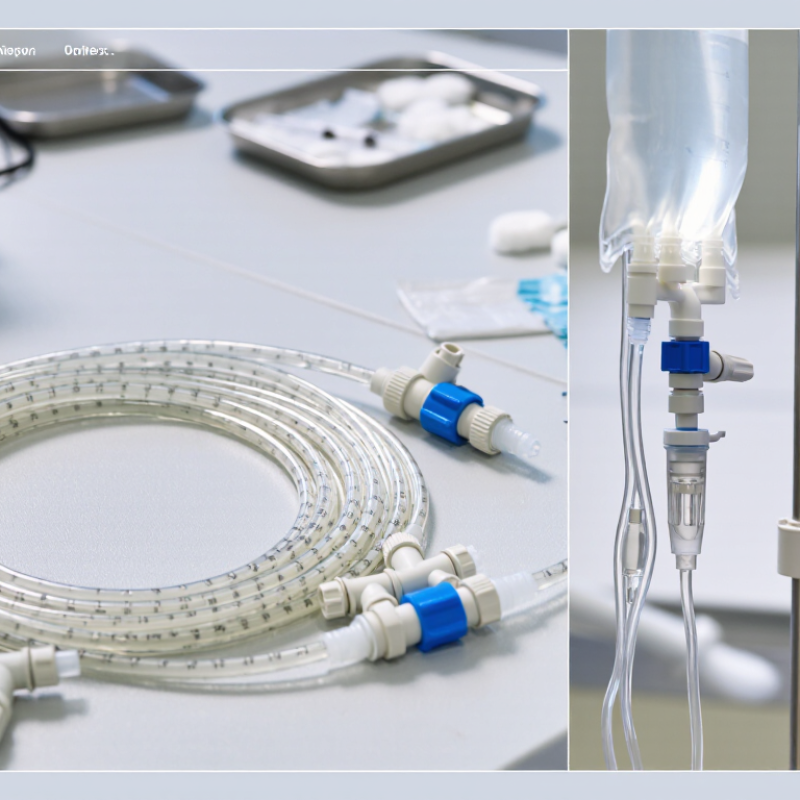
What Are IV Sets and Why Are They Used in Fluid Therapy?
An IV set is sterile tubing that connects a fluid container to a patient’s vascular access device. Common parts include a drip chamber, clamp, connector, and patient-end access point. The drip chamber helps clinicians observe fluid movement and drops. The clamp adjusts the flow during gravity-based delivery. Some sets work with infusion pumps for more controlled administration. Selection depends on the prescribed fluid, access site, and required rate.
In fluid therapy, IV sets deliver fluids for hydration, electrolyte replacement, and medication administration. They can also support blood component transfusion with compatible equipment. Before use, healthcare professionals inspect the package, expiry date, and fluid clarity. They prime the tubing according to clinical procedures and remove visible air. A secure connection helps reduce leakage and contamination. At the bedside, the line should remain labeled, visible, and free from sharp bends. Small details matter.
No setup is perfect. An IV set cannot correct an unsuitable prescription or incomplete patient assessment. Clinicians monitor the insertion site for swelling, pain, redness, or coolness. They also check vital signs and fluid balance. A slow drip may result from positioning, a closed clamp, or resistance in the line. That is easy to overlook. Local protocols and current clinical guidance remain essential, especially for children, older adults, and patients with heart or kidney conditions.
An IV set is sterile tubing connecting a fluid container to vascular access. It usually includes a drip chamber, clamp, connector, and patient-end access point. Small parts matter.
They deliver fluids for hydration, electrolyte replacement, and medication administration. Compatible equipment may also support blood component transfusion. The prescribed fluid and rate guide selection.
The drip chamber lets clinicians observe fluid movement and drops. This helps with gravity-based delivery. It does not replace monitoring or clinical judgment.
No. Some sets are designed for infusion pumps, while others support gravity delivery. The tubing must match the device and required administration rate.
Inspect the package, expiry date, lot information, and fluid clarity. Do not use wet, torn, crushed, or partly open packaging. Traceability matters.
Connectors, filters, spikes, and tubing materials must match the fluid, container, and device. Some medicines require special materials or filters. Never assume universal compatibility.
Swelling, pain, redness, or coolness near the insertion site may indicate a problem. A slow drip can result from a closed clamp, poor positioning, or line resistance. Stop and reassess.
Keep hands clean and avoid touching sterile ends. Prime the tubing according to local procedures and remove visible air. Clamp before disconnecting, and follow approved replacement times.
An IV set cannot correct an unsuitable prescription or incomplete patient assessment. Clinicians must monitor vital signs, fluid balance, and the insertion site. No setup is perfect.
Store unopened sets in a clean, dry place away from heat and crushing. Follow current facility protocols because handling requirements may vary. Memory alone is not enough.
IV sets are essential devices used to deliver fluids, medications, nutrients, and blood products directly into a patient’s bloodstream in a controlled manner. China’s best IV sets are designed with reliable tubing, secure connectors, accurate drip chambers, effective clamps, and carefully manufactured components that support consistent performance. How IV sets improve fluid therapy efficiency depends on their ability to regulate flow accurately, reduce interruptions, minimize leakage, and help healthcare professionals provide treatment more safely and conveniently.
Choosing the appropriate IV set requires consideration of the clinical application, fluid type, required flow rate, and patient needs. Different procedures may require specialized features, such as filters, needle-free connectors, or blood-compatible tubing. Quality standards, material safety, device compatibility, and proper handling are also essential for dependable use. Before application, medical staff should inspect packaging, confirm sterility and compatibility, follow correct priming procedures, and monitor the infusion throughout treatment. These practices help improve fluid delivery, support patient safety, and promote efficient clinical care.

 Wigivida Medical